
What happens during a football medical?
What the report says
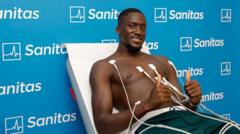
BBC Sport Football explains what happens when a player completes a transfer medical, a process that usually comes after a deal and personal terms are already agreed. The article says the exam is not legally required for a transfer, but clubs use it to check a player’s overall health and fitness and to spot any underlying problems before deciding whether to go ahead.
The report outlines the main parts of the assessment, which can take up to six hours. These may include general physical checks such as height, weight, blood pressure and heart rate, plus tests of the heart, blood, muscles, joints, bones, balance and coordination. It also notes that clubs may use scans, X-rays, ultrasounds and concussion checks, and then review the findings with their medical staff before making a final decision.
BBC Sport also stresses that players do not technically “pass” or “fail” a medical. Instead, clubs weigh the risk and cost of any issue against the value of the signing. The article cites examples of moves that were delayed or collapsed after medicals, including Ruud van Nistelrooy, George Boyd, Kurt Zouma and Jean-Philippe Mateta.
The piece adds context from a Manchester health institute, which said clubs expect rapid turnaround during transfer windows, including same-day verbal feedback and fast blood-test results. That highlights the pressure on medical teams to work quickly while maintaining standards when transfer activity is busiest.
Loading debate for this article…
Other publishers covering this story
No additional verified coverage is currently clustered with this report.
Related reporting
 'We fought for every ball' - Hemp on Man City's thrilling winBBC Sport Football
 How losing to Zimbabwe was so costly to the Rugby CranesThe Observer
 'It all clicked today' - van de Donk and Putellas thrilled with 6-1 winBBC Sport Football
 Gateshead sack Cattermole after poor startBBC Sport Football
 Listen: Who caught the eye in Pocognoli's first win?BBC Sport Football
 'Promising start' or 'shocking' display? Tartan Army on Skopje winBBC Sport Football