Wealthy US neighbourhoods paid to spray mosquitoes: By 2023, the insects had evolved resistance across 84 - The Times of India
What the report says
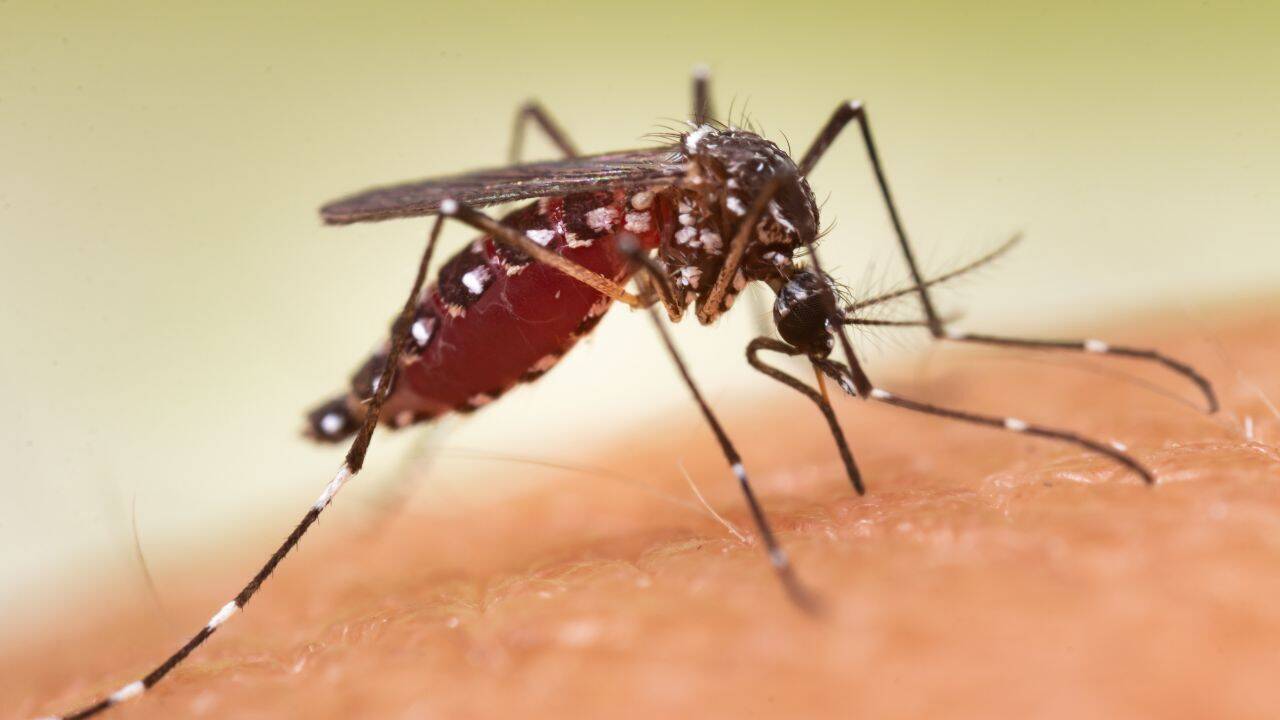
The Times of India reports that new research from North Carolina State University links routine residential mosquito spraying in parts of the eastern United States to the rapid rise of insecticide resistance in the Asian tiger mosquito, Aedes albopictus. The studies focused on Wake County, North Carolina, where many homeowners use private yard-spraying services or buy pyrethroid insecticides to reduce nuisance biting.
According to the report, researchers examined genetic markers tied to resistance to pyrethroids, a common class of mosquito-control chemicals. Archived samples from 2016 to 2024 showed no resistant mosquitoes in 2016-2017, a small cluster appearing in 2018, and a much wider spread by 2023. By that year, resistance-associated markers were found in 84% of sampled residential blocks, and 39% of sampled mosquitoes carried the mutation.
A related study found resistance was more common in areas with higher property values, which researchers used as an indicator of greater likelihood of paid or repeated spraying. The scientists did not directly measure each household’s chemical use, but they said repeated treatment can create selection pressure: mosquitoes that survive the chemicals reproduce and pass on traits that make future spraying less effective.
The issue matters because the Asian tiger mosquito is an invasive, aggressive daytime biter and can transmit diseases including dengue, Zika and chikungunya, although the cited studies examined resistance rather than disease spread. The researchers urged integrated pest management instead of relying only on sprays, including removing standing water, clearing gutters, managing containers and using insecticides more selectively.
Loading debate for this article…
Other publishers covering this story
No additional verified coverage is currently clustered with this report.
Related reporting
 Medicine shortages undermining village health teamsThe Observer
 Depression: Walking Through the Three Corners of Life Toward HealingNile Post
 Ebola: Uganda Reinstates Traveller Locator FormsNile Post
 Uganda remains Ebola-free as Health ministry probes Nigerian traveller infected with virus - Daily MonitorDaily Monitor
 Atwine Warns Border Officers Over Ebola Screening Lapses at MpondweNile Post
 Rising patient numbers strain Bulucheke Health Centre IVThe Independent Uganda