UNH awarded $8M grant to study ticks - WMUR
What the report says
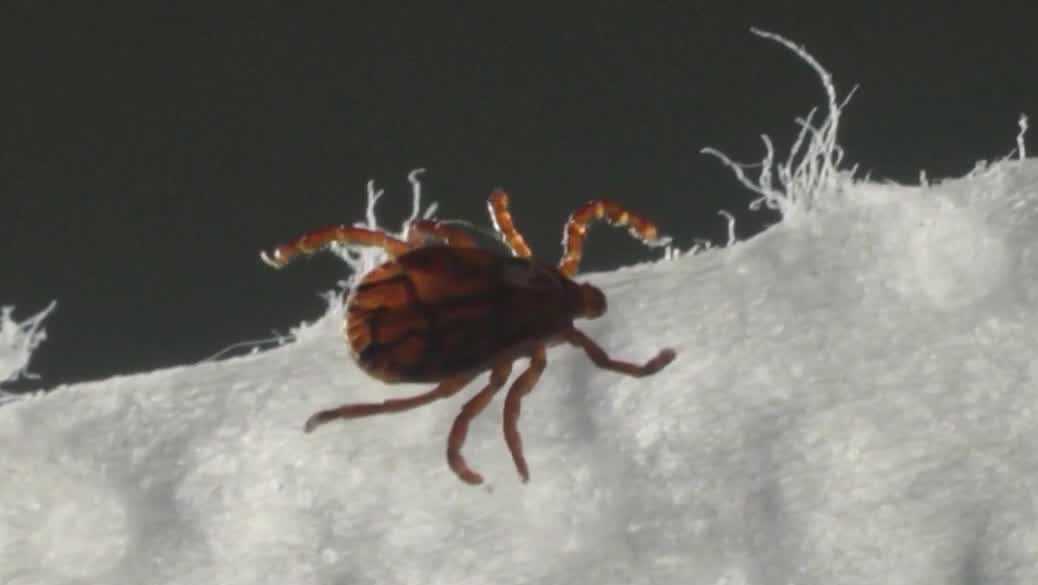
WMUR Manchester reported that the University of New Hampshire has received an $8 million National Science Foundation grant to examine ticks, the diseases they can carry and the conditions that allow them to persist and spread. The award comes amid heightened concern in New Hampshire about tick-borne illness and the movement of additional tick species into the region.
According to WMUR, David Needle, a clinical professor and senior veterinary pathologist, will lead the four-year project. The work will focus on three tick species found in the state: the blacklegged tick, also known as the deer tick; the American dog tick; and the winter tick, which is associated with significant effects on moose and other wildlife. Researchers plan to establish 22 monitoring stations across New Hampshire to study how ticks survive, move and transmit disease.
Needle told WMUR that researchers will collect ticks during peak season while the stations gather information year-round, including environmental factors such as snow cover. He said that part of the research is expected to begin with the next peak season. The project also includes an educational component, with undergraduate students from across the state taking part in the research.
The study matters because New Hampshire faces substantial exposure to Lyme disease and other tick-related risks. WMUR cited the Centers for Disease Control and Prevention in reporting that the state has one of the nation’s highest Lyme disease rates, and noted that recent research has found ticks appearing more often in East Coast cities, not only in wooded areas. Residents interviewed by the station described taking extra precautions for themselves and their pets.
Loading debate for this article…
Other publishers covering this story
No additional verified coverage is currently clustered with this report.
Related reporting
 Lango Seeks Japanese Investment in Agriculture, Industry and Social ServicesNile Post
 Medicine shortages undermining village health teamsThe Observer
 Depression: Walking Through the Three Corners of Life Toward HealingNile Post
 Ebola: Uganda Reinstates Traveller Locator FormsNile Post
 Uganda remains Ebola-free as Health ministry probes Nigerian traveller infected with virus - Daily MonitorDaily Monitor
 Atwine Warns Border Officers Over Ebola Screening Lapses at MpondweNile Post