UK humanitarian worker monitored for Ebola in London hospital
What the report says
BBC News reported that a UK-resident humanitarian worker has been flown from the Democratic Republic of Congo to Britain after a possible exposure to Ebola in a healthcare setting. The person, who has not been identified, was working with a humanitarian organization involved in the outbreak response. The UK Health Security Agency said the transfer was a precautionary step and that the individual has no symptoms.
According to the BBC, the worker is well and is being assessed and monitored at an unnamed London hospital. The report noted that the Royal Free Hospital in north London is the UK’s main national centre for high consequence infectious diseases and has a high-level isolation unit, though officials did not confirm the hospital involved. Because Ebola can incubate for two to 21 days, the individual is expected to remain isolated during the monitoring period.
UKHSA said there are no confirmed Ebola cases in the UK and described the risk to the wider public as low. The BBC quoted UKHSA’s Richard Pebody as saying the evacuation was carried out with a high degree of caution and that officials were encouraged the person remains well. Ebola does not spread through the air like flu or Covid-19; it is transmitted through direct contact with bodily fluids.
The case comes amid a serious Ebola outbreak in DR Congo. Citing World Health Organization figures as of 19 July, the BBC said DR Congo had recorded 2,423 confirmed cases and 967 deaths since the outbreak was declared in mid-May, with 469 recoveries. The outbreak is linked to the Bundibugyo Ebola species, for which no licensed vaccine is available.
Loading debate for this article…
Other publishers covering this story
Related reporting
 Medicine shortages undermining village health teamsThe Observer
 Depression: Walking Through the Three Corners of Life Toward HealingNile Post
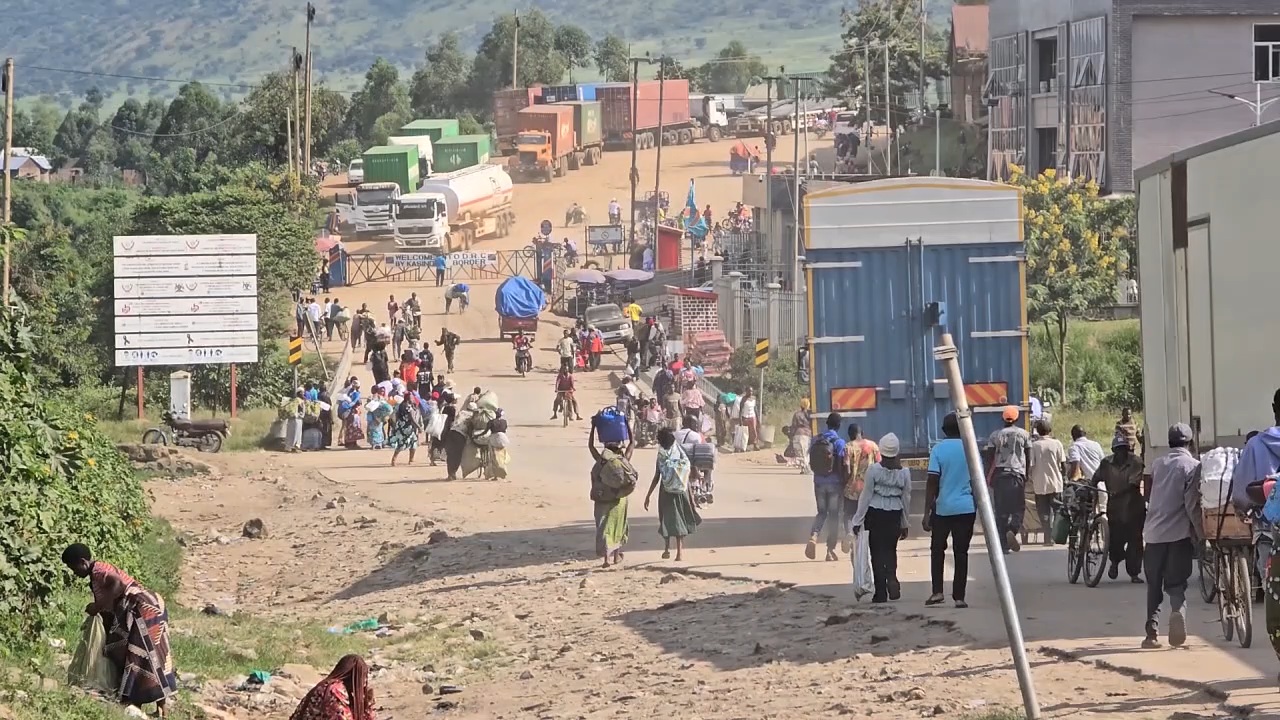 Ebola: Uganda Reinstates Traveller Locator FormsNile Post
 Uganda remains Ebola-free as Health ministry probes Nigerian traveller infected with virus - Daily MonitorDaily Monitor
 Atwine Warns Border Officers Over Ebola Screening Lapses at MpondweNile Post
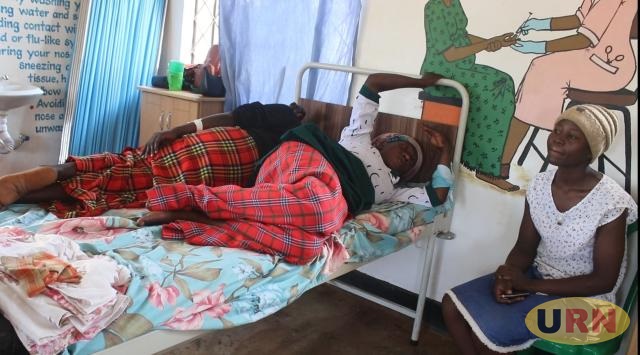 Rising patient numbers strain Bulucheke Health Centre IVThe Independent Uganda