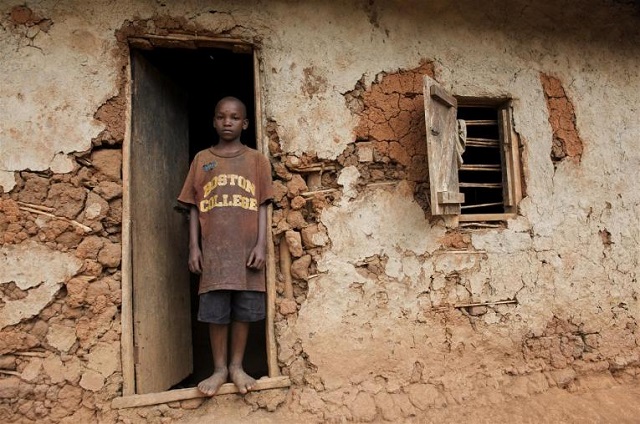
Ugandans are still poor, living hand to mouth
What the report says
In a commentary published by The Independent Uganda on August 20, 2026, Julius Businge argues that Uganda’s reported economic growth is not matching the daily reality faced by many households. Drawing on travel across Eastern, Western, Northern and Central Uganda, he describes widespread struggles with school fees, transport, housing, health care and basic household needs, and says policymakers should focus less on headline indicators and more on lived conditions.
The piece cites Uganda Bureau of Statistics figures to support that point. It says 16.1% of Ugandans, or about seven million people, were below the national poverty line in 2023/24, with higher poverty rates in rural areas and in regions such as Northern Uganda and Karamoja. It also references the 2024 Uganda Multidimensional Poverty Index, which found that more than half of Ugandans were multidimensionally poor, reflecting gaps in education, health, sanitation, housing and water access. The article links these figures to unemployment, especially among young people, and to low earnings in paid work.
Businge also criticizes the use of “mindset change” language as a substitute for public investment and service delivery. He argues that poor infrastructure, weak markets, limited finance and inadequate public services make it difficult for people to improve their livelihoods through effort alone. He further raises concern about corruption, citing an Inspectorate of Government estimate that corruption costs Uganda trillions of shillings annually, and he questions the size and cost of government spending amid persistent poverty.
Loading debate for this article…
Other publishers covering this story
No additional verified coverage is currently clustered with this report.
Related reporting
 KCCA fined Shs 124m over vendor Basemera’s death in 2017The Observer
 Police deploy flying squad in Kazo following spate of killings - Daily MonitorDaily Monitor
 Sudan: The Horrors of War Return to SennarNile Post
Reverend, LC2 chairperson reconcile after fist fight in Abim church - Daily MonitorDaily Monitor
Reverend, LC2 chairperson reconcile after fist fight in church - Daily MonitorDaily Monitor
Sudan: The Horrors of War Return to SennarNile Post
Reverend, LC2 chairperson reconcile after fist fight in Abim church - Daily MonitorDaily Monitor
Reverend, LC2 chairperson reconcile after fist fight in church - Daily MonitorDaily Monitor
 PLU Launches Bunyoro Signature Drive, Targets 2 Million EndorsementsNile Post