Uganda’s teenage pregnancy crisis stagnates at 25%
What the report says
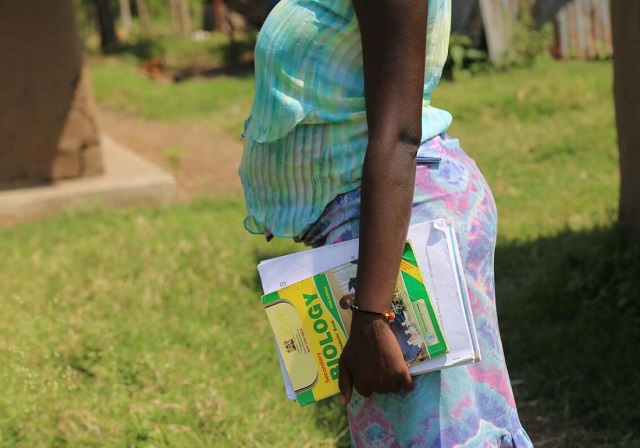
Health experts in Uganda are urging a coordinated national response to teenage pregnancy after new reporting showed the problem has remained largely unchanged for more than 20 years, hovering between 24% and 25%. The Independent Uganda reported that the concerns were raised in Kampala at a Media Café organized by the Health Journalists Network Uganda with support from Palladium and BBC Media Action.
Officials from the Ministry of Health and the Ministry of Gender and Social Development said the issue is affecting girls’ schooling, increasing health risks and contributing to wider social and economic costs. Dr Irene Mwenyango of the Ministry of Health said the challenge cannot be solved by health authorities alone and needs the involvement of families, schools, communities and government agencies. She also pointed to the need for family planning after childbirth and for teenage mothers to return to school where possible.
The report said Uganda has a national target of reducing teenage pregnancy to 15% by 2030 under the National Strategy to End Teenage Pregnancy and Child Marriage. Francis Mondo Kyateeka linked the problem to school dropout rates and noted that girls’ vulnerability to HIV can rise alongside early pregnancy. He also said the government is reviewing the National Employment Policy of 2006 to support reintegration after childbirth.
The article added that the burden is not evenly spread, with higher prevalence in some regions and refugee-hosting areas than in Kampala or parts of the southwest. The figures underline why public health, education and social policy responses remain central to reducing early pregnancy and supporting adolescent girls.
Loading debate for this article…
Other publishers covering this story
No additional verified coverage is currently clustered with this report.
Related reporting
 Government Approves Shs19bn for 1,841 Traders Affected by Kampala FloodsNile Post
 Medics warn of late health-seeking behaviourThe Independent Uganda
 Cabinet identifies developers, blocked drainage behind Kampala floods, approves Shs19bn traders’ compensation - PML DailyPML Daily
 Today in History: US Withdraws Diplomats From Uganda Amid Amin-era TensionsNile Post
 Interswitch, HFB partners to expand agent banking to 23,000 outletsThe Independent Uganda
 Four Dead, Nine Injured in Three-Vehicle Crash Along Kampala–Gulu HighwayNile Post