
Tupac murder trial: 'All hell broke loose' night of rapper's shooting, witness says
What the report says
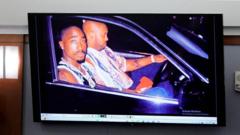
Opening statements in the long-running murder trial of Duane “Keffe D” Davis began in Las Vegas on Monday, with prosecutors telling jurors that the former gang leader helped plan the drive-by shooting that killed rapper Tupac Shakur in 1996. Davis, now 63, has pleaded not guilty. Prosecutors say he did not fire the fatal shots but was the person who organised the attack in retaliation for a fight involving his nephew hours earlier. His lawyers argue the case rests on a flawed investigation and unreliable witnesses.
The BBC reported that the first witness, former Las Vegas police officer Garry Dale, described being in an ambulance with Shakur after the shooting. According to his testimony, the rapper declined to identify the gunmen and said, “We’ll take care of it.” Prosecutors used that testimony to underline the lack of cooperation that, they say, helped keep the case unsolved for years. The trial is also expected to examine the wider backdrop of 1990s hip-hop rivalries and gang violence.
Another witness, Ingrid Stokes, recounted being in a car near Shakur and Death Row Records co-founder Marion “Suge” Knight on the night of the shooting. She said a vehicle appeared to pursue them before gunfire erupted. Shakur was 25 when he was shot after a Mike Tyson boxing match in Las Vegas on 7 September 1996 and died six days later. The case has remained one of the most closely watched cold cases in US music history.
Loading debate for this article…
Other publishers covering this story
No additional verified coverage is currently clustered with this report.
Related reporting
 U.S. Suspends Consular Services in Brazil on Eve of ElectionsNew York Times World
 India vs Pakistan cricket: Asian Games gold medal final – all to knowAl Jazeera
 Indian Pilot Stabbed on FlyDubai Flight Recalls Sudden AttackNew York Times World
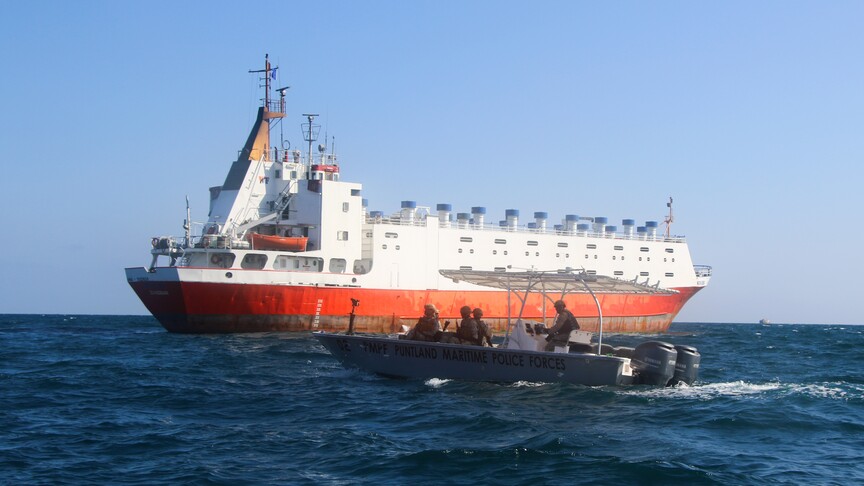 4 of 10 Pakistani crew members rescued from pirates off SomaliaAnadolu Agency Africa
 Explosions reported near military airport in Syria’s Idlib provinceAl Jazeera