Today in History: Parliament Elects Muteesa II Uganda’s First President
What the report says
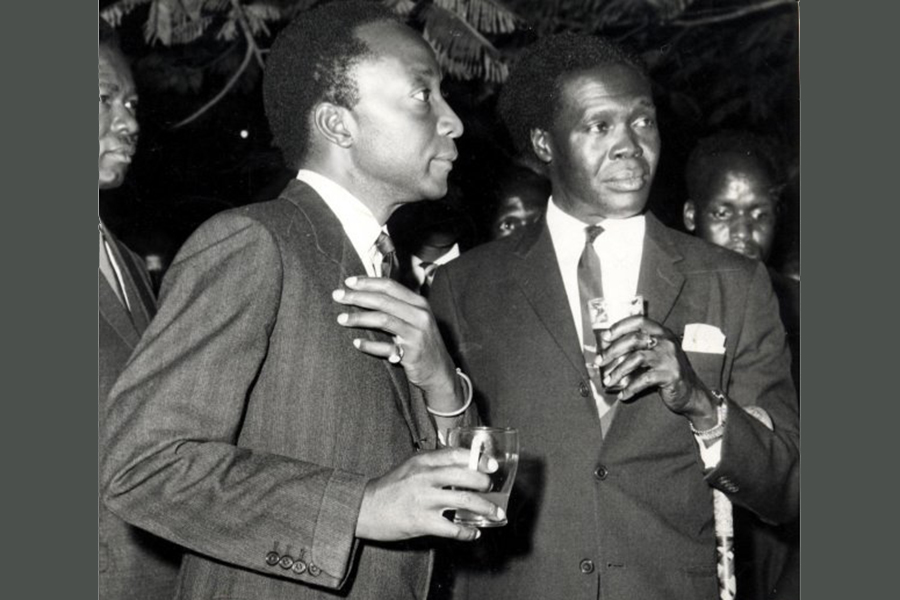
On October 4, 1963, Uganda’s National Assembly elected Sir Edward Muteesa II, the Kabaka of Buganda, as the country’s first president, according to Nile Post. The vote came as Uganda was moving from independence, gained on October 9, 1962, toward a republican system that would replace Queen Elizabeth II as head of state.
The report says the presidency was intended to be largely ceremonial under the political arrangement between Prime Minister Apollo Milton Obote’s Uganda People’s Congress and the Kabaka Yekka party. Muteesa’s candidacy was backed by Obote and helped sustain that alliance, though some members of the UPC preferred Sir William Nadiope, the Kyabazinga of Busoga.
Chief Justice Sir Udo Udoma oversaw the secret-ballot voting in Parliament. Muteesa won with 62 votes, meeting the two-thirds threshold, while Nadiope was then elected vice president with 60 votes. Other contenders for that post included Yokosofati Engur, Max Choudry and Yovan Chemonges. Muteesa and Nadiope were sworn in on October 9, 1963, exactly one year after independence.
Nile Post notes that this settlement reflected a delicate balance between traditional rulers and the new republican order. In broader historical context, such arrangements later became politically strained, contributing to the constitutional tensions that followed in Uganda in the mid-1960s.
Loading debate for this article…
Other publishers covering this story
No additional verified coverage is currently clustered with this report.
Related reporting
 Jet Tumwebaze to Appeal Ruling Blocking Him From Representing Himself in Sodo Election PetitionNile Post
 Ssekandi Leads Shs110m Drive to Complete Kkindu Catholic ChurchNile Post
 Cultural Centre Debt Climbs to Shs9.3bn as Officials Blame Government UnderfundingNile Post
 Kabaasa Raises Alarm Over Drowning Deaths on Lake BunyonyiNile Post
 Police Warn of Traffic Disruptions on Kampala–Masaka Highway as Museveni, Samia Visit MpigiNile Post
 Trump says historic summit with Xi, Putin already a 'win' before event - Daily MonitorDaily Monitor