
Today in History: Kampala Granted City Status

What the report says
Nile Post reports that Kampala was granted city status in 1962, a step that marked a major moment in the city’s growth from a colonial settlement into Uganda’s capital. The article says the elevation came through a Royal Charter on September 28, 1962, shortly before Uganda’s independence from Britain.
According to the publisher, Kampala’s development stretched back decades. In 1890, Captain Frederick Lugard established a fort on Old Kampala Hill for the Imperial British East Africa Company. The area had long been linked to the hunting grounds of the Kabaka of Buganda, and its name is said to come from the impalas that once roamed the hills. Even after the colonial administration moved to Entebbe in 1905, Kampala continued to expand as a centre of trade and commerce.
The piece also notes earlier administrative milestones: Kampala was declared a township in 1906 and later became a municipality in 1949, supporting wider infrastructure growth and settlement beyond Old Kampala and Nakasero. The city status upgrade formalized that trajectory and positioned Kampala for its role in a new independent state.
Nile Post adds that when Uganda achieved independence on October 9, 1962, Kampala replaced Entebbe as the national capital. More broadly, the history reflects how colonial-era infrastructure and postwar urban growth helped shape the modern city.
Loading debate for this article…
Other publishers covering this story
No additional verified coverage is currently clustered with this report.
Related reporting
 Steel & Tube targets local iron ore production to reduce reliance on importsThe Independent Uganda
 NSSF’s record return puts Uganda’s savings power in focusThe Independent Uganda
 Uganda parts ways with women’s national football team coach BotesThe Independent Uganda
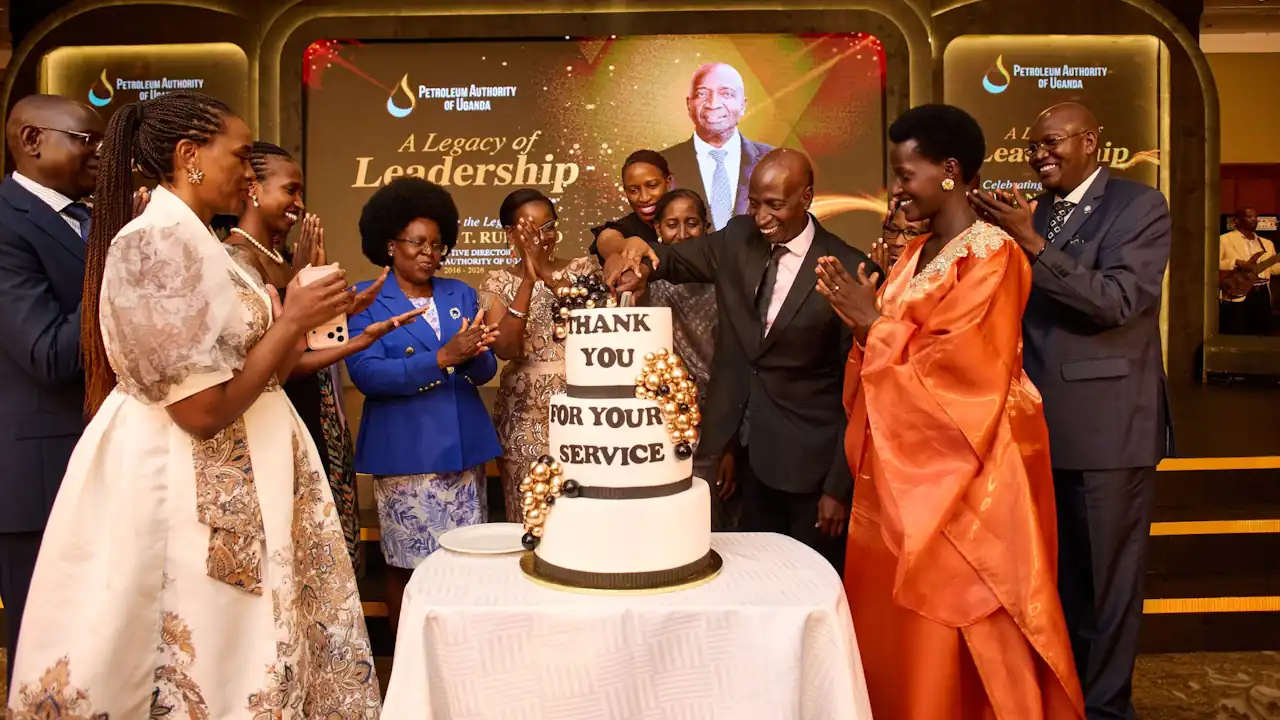 Rubondo’s PAU exit closes with a delayed send-offUganda Business News
Rubondo’s PAU exit closes with a delayed send-offUganda Business News
Rubondo’s PAU exit closes with a delayed send-offUganda Business News
 “Together Towards Greatness”: Centenary Bank wins the 2026 Annual Bankers’ Sports GalaWatchdog Uganda