
Today in History: Idi Amin Declares Swahili Uganda's National Language
What the report says
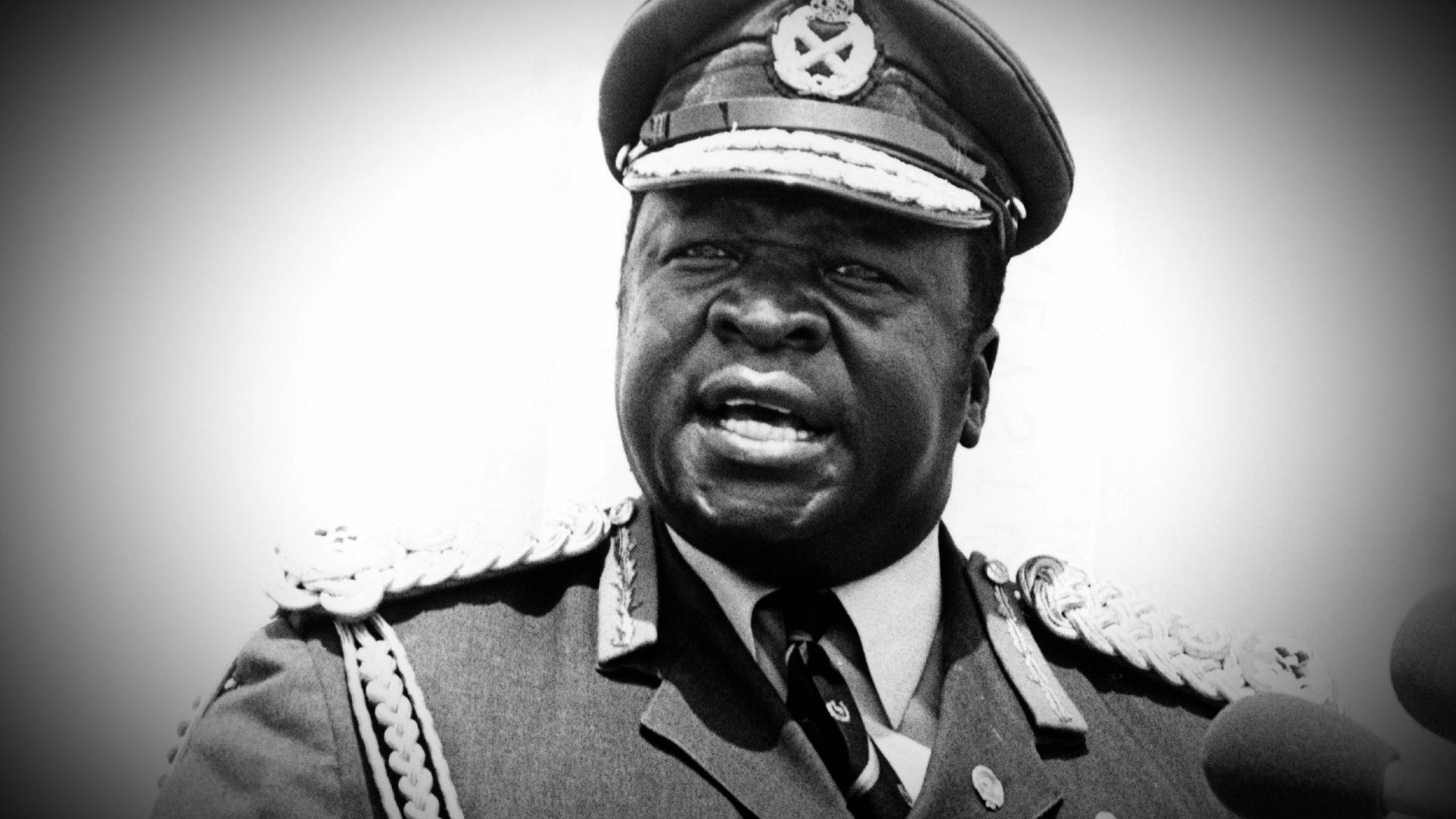
Nile Post reports that on this day in 1973, President Idi Amin formally declared Swahili Uganda’s national language after a debate at the International Conference Centre in Kampala. According to the article, representatives from 12 of the country’s then 20 districts had backed Swahili over Luganda, and Amin presented the choice as a way to help unify a country divided by ethnicity and region.
The piece says the decision reflected several wider political and cultural considerations. Luganda had faced resistance from communities outside the central region, while Swahili was seen as a more neutral African language and part of a broader East African and Pan-African vision associated with leaders such as Julius Nyerere and Jomo Kenyatta. It was also already widely used in Amin’s military base, the Uganda People’s Army, which made it a practical fit for his government.
Nile Post notes, however, that the policy had limited impact. The government did not build the school systems, teacher training, or learning materials needed to spread Swahili through public institutions, so English remained dominant in government, the courts, and formal education. The article adds that Swahili later gained official recognition through a 2005 constitutional amendment and became more important again with East African integration, including a 2022 Cabinet decision making Kiswahili compulsory in schools.
Loading debate for this article…
Other publishers covering this story
No additional verified coverage is currently clustered with this report.
Related reporting
 Dokolo North MP Joins Bata Residents in National Cleaning DayDokolo Post
 Translate NALI Training Into Better Conservation, Minister Tells UWA OfficersWatchdog Uganda
 Measles: Govt targets 7.4 million children in 5-day vaccination campaignThe Observer
 Oil sector pays tribute to Ernest Rubondo after four decades of serviceThe Independent Uganda
 So what is President Museveni’s legacy?Nile Post
 Gen Tumukunde’s Critique of NSSF Meets Pushback from Savers Amid Record Returns and Oversight TensionsWatchdog Uganda