This mammal breaks one of nature's biggest rules – and scientists have finally worked out why… - BBC Wildlife Magazine
What the report says
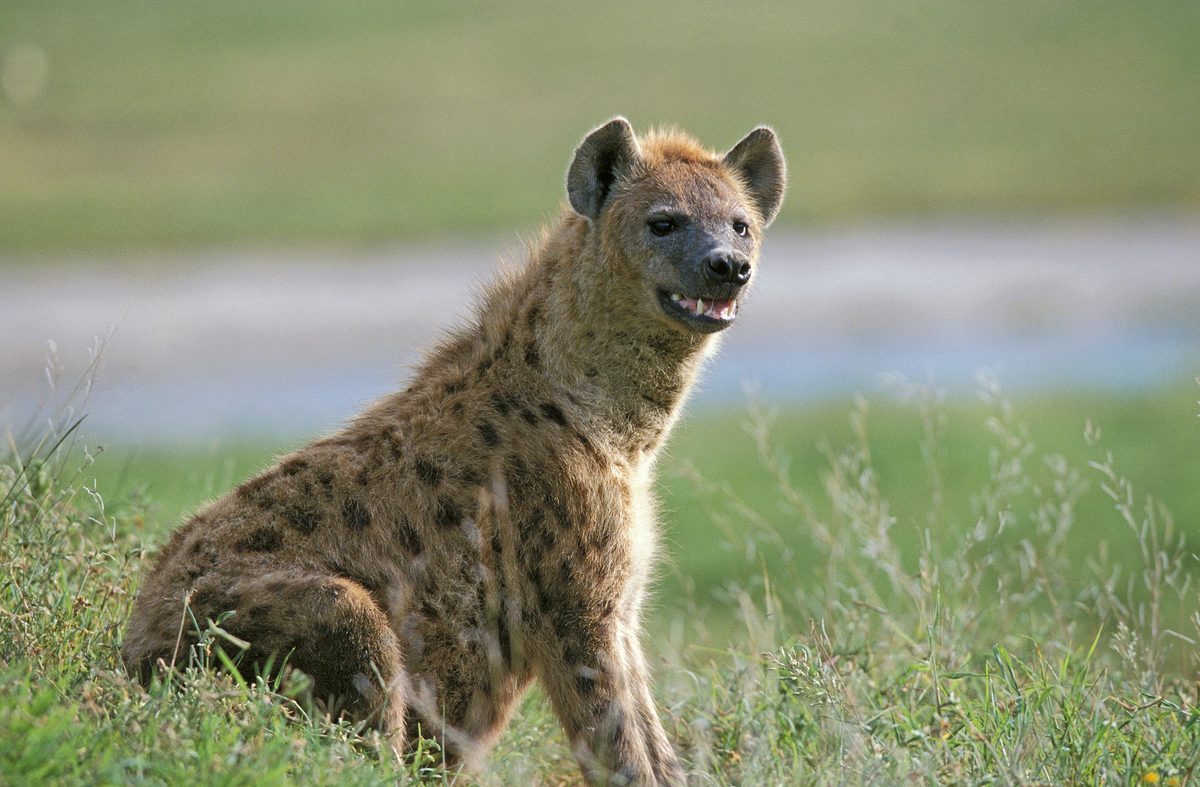
Discoverwildlife.com, in a BBC Wildlife Magazine article, reports that new research may explain why spotted hyenas are unusual among mammals: females, rather than males, hold the dominant social positions and compete intensely for status. The article says the study was conducted by the Ngorongoro Hyena Project at the Leibniz Institute for Zoo and Wildlife Research and ISEM, and focused on how inherited rank shapes reproduction across generations.
According to the report, spotted hyenas live in large social groups called clans, sometimes numbering up to 90 animals. Female hyenas are larger and more aggressive than males, and daughters typically keep the social rank of their mothers. High-ranking cubs are said to receive better access to food, grow more quickly and have improved chances of survival and breeding. Males, by contrast, usually leave their birth clan to mate elsewhere and enter the new group at low rank, losing the advantages of their family status.
The article cites a 29-year study of 2,700 hyenas across eight generations in Tanzania. Researchers found that reproductive inequality among females became clearer over multiple generations: descendants of alpha females made up about 10% of a clan’s offspring in one generation, up to 20% when traced through alpha grandmothers, and eventually nearly all individuals could be linked to original matriarchs after six generations.
The finding matters because it offers a different explanation for female dominance than examples seen in species such as seahorses or meerkats. The report frames inherited female privilege as a mechanism that can compound over time, allowing a few matrilines to expand while lower-ranking female lines fade.
Loading debate for this article…
Other publishers covering this story
No additional verified coverage is currently clustered with this report.
Related reporting
 NMG staff to work remotely as company assesses offices for full reopeningThe Independent Uganda
 Nation Media Group Uganda Resumes OperationsSoftPower News
 256 Express guide: one platform for travel, delivery, cargo, stays and food discovery in Uganda256 Express
 Can Botswana’s EV Ambitions spark a new manufacturing economy?The Independent Uganda
 Everything We Know About MacBook Ultra's All-New Design - MacRumorsMacRumors
 Pitch Black Set Review - PokeBeachPokebeach.com