
The promise I made to Ismail al-Ghoul
What the report says
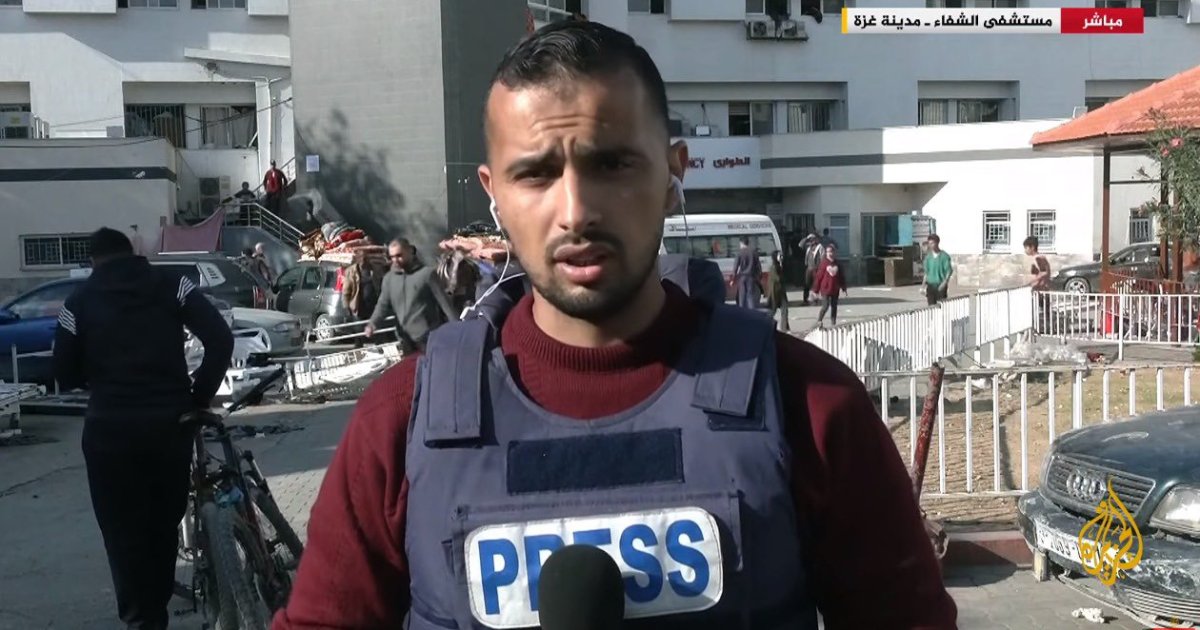
Al Jazeera published an opinion piece on 31 July 2026 by Gaza-based writer Ohood Nassar reflecting on the killing of Palestinian journalist Ismail al-Ghoul, which the article says happened on 31 July 2024 in Gaza. Nassar writes that she first met al-Ghoul while her family was sheltering at al-Shifa Hospital in Gaza City, where he encouraged her to use her English-language skills to help carry Gaza’s story beyond the territory.
The article describes al-Ghoul as more than a reporter for Al Jazeera: Nassar says he was a close friend of her family, a husband separated from his wife during the war, and a father who spoke often about his young daughter, Zina. She recalls small details such as his coffee thermos and his visit to her injured father, along with his promise to share a fish meal with the family once conditions allowed. Those memories, she says, made his death feel personal as well as professional.
Nassar also writes about how al-Ghoul’s advice shaped her own work. After he was killed, she says she began looking for outlets that would let her write in English and continue telling the stories of Gaza. The piece frames his death as part of the wider toll the war has taken on journalists, families and daily life in the enclave.
The article says that in May 2025, the author’s family received an evacuation order before their home was bombed, destroying items they had kept from al-Ghoul. Overall, the essay presents his memory as a continuing motivation for the author’s journalism.
Loading debate for this article…
Other publishers covering this story
No additional verified coverage is currently clustered with this report.
Related reporting
 Syrians Protest as Surge in Fuel Prices Adds to Cost-of-Living CrisisNew York Times World
 India to supply Nepal electricity after floods wrecked hydropower projectsAl Jazeera
 Carney pitches Canada to global investors amid US trade warAl Jazeera
 ‘NAZA,’ Israeli Film About Killings in Gaza, Faces BacklashNew York Times World
 EU states to raise game as Arctic becomes strategic geopolitical frontierAl Jazeera
 Syria fuel price hikes test public patience with economic recoveryAl Jazeera