The hottest new anti-aging ingredient? Cadaver skin, injected right into your face - New York Post

What the report says
The New York Post reported on a South Korean anti-aging treatment called Elravie Re2O, an injectable “skin booster” made from donated human skin tissue recovered from deceased donors. The product, made by Korean biotech firm L&C Bio Co., is described as being processed to remove cells, leaving an extracellular matrix containing substances such as collagen, elastin and hyaluronic acid. The treatment is injected into the face and neck with the aim of improving skin texture, pores and fine lines.
According to the Post, dermatologist Kim Han-saem of Seoul’s DoD Dermatology Clinic said the cell-removal process is intended to reduce immune rejection and allergic reactions. The article says Re2O has become popular in South Korea since its 2024 introduction, with users on Reddit, Instagram and TikTok describing smoother skin and, in some cases, significant pain during injections. The Post also cited facial plastic surgeon Dr. Eunice Park, who said patients are increasingly seeking treatments meant to strengthen skin rather than simply add volume.
The report notes that Re2O is not approved by the U.S. Food and Drug Administration, though some providers, including med spas in New York City, are said to be offering it. L&C Bio told Bloomberg it hopes to enter the U.S. market in 2027; the Post said the product is also available in Singapore and Japan.
The development matters because it sits at the intersection of cosmetic medicine, human tissue donation and regulation. Critics cited in the report raised ethical questions about using donated tissue for aesthetic procedures when similar materials may be needed for reconstructive care, while clinicians emphasized that patients should consult qualified medical professionals and weigh risks, benefits and uncertain long-term effects.
Loading debate for this article…
Other publishers covering this story
No additional verified coverage is currently clustered with this report.
Related reporting
 Medicine shortages undermining village health teamsThe Observer
 Depression: Walking Through the Three Corners of Life Toward HealingNile Post
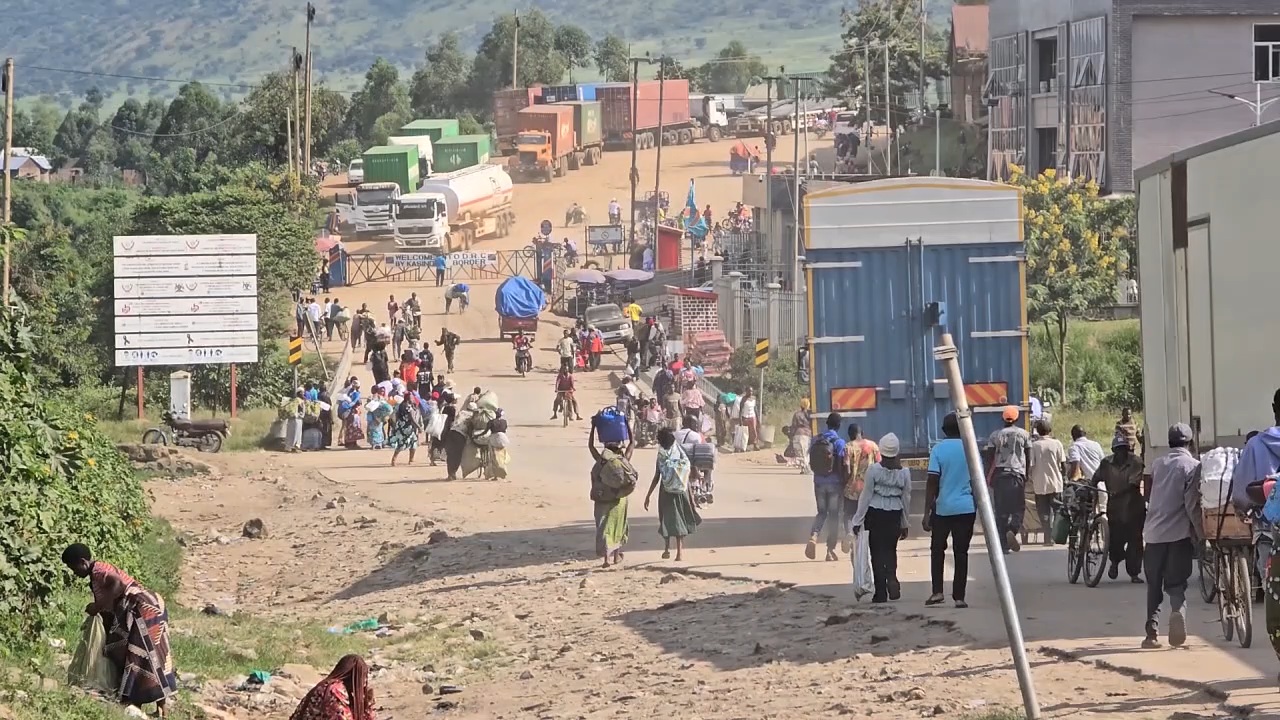 Ebola: Uganda Reinstates Traveller Locator FormsNile Post
 Uganda remains Ebola-free as Health ministry probes Nigerian traveller infected with virus - Daily MonitorDaily Monitor
 Atwine Warns Border Officers Over Ebola Screening Lapses at MpondweNile Post
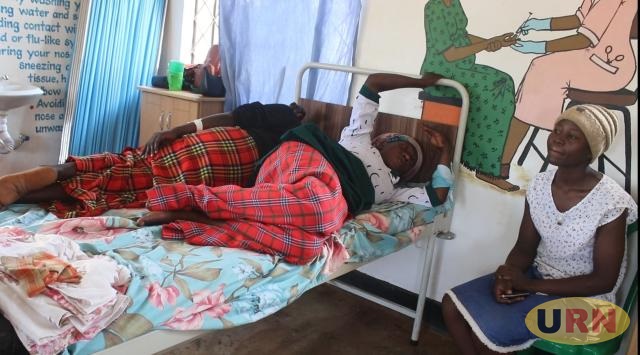 Rising patient numbers strain Bulucheke Health Centre IVThe Independent Uganda