The Best Way to Eat Beans for Better Iron Absorption, According to Dietitians - EatingWell
:max_bytes(150000):strip_icc()/The-Best-Way-to-Eat-Beans-for-Better-Iron-Absorption-According-to-Dietitians-0750fc11120244c2b019dd0f8cd93d8a.jpg)
What the report says
EatingWell reported that people looking to get more iron from beans can improve absorption by eating them with foods high in vitamin C. The article, framed around advice from dietitians, highlights a practical nutrition strategy for plant-based eaters and anyone who relies on beans as a regular source of protein, fiber and minerals.
According to the publisher’s summary, the core recommendation is to combine beans with vitamin C-rich ingredients. Examples, based on standard nutrition guidance, may include adding citrus juice, bell peppers, tomatoes, broccoli or leafy greens to bean-based meals. The point is not that beans lack iron, but that the type of iron found in plant foods is generally absorbed less efficiently than iron from animal sources.
As general background, beans contain non-heme iron, the form found in plants. Vitamin C can help convert iron into a form the body absorbs more readily, which is why pairings such as black beans with salsa, lentils with tomatoes, or chickpeas with lemon dressing are commonly recommended. Other meal factors can also influence absorption; for example, tea or coffee consumed with meals may reduce uptake for some people because of naturally occurring compounds that bind minerals.
The EatingWell piece matters because iron is essential for oxygen transport and energy metabolism, and low intake or poor absorption can contribute to deficiency over time. People with diagnosed anemia, pregnancy-related needs or medical conditions affecting iron should seek individualized guidance from a clinician or registered dietitian rather than relying on diet changes alone.
Loading debate for this article…
Other publishers covering this story
No additional verified coverage is currently clustered with this report.
Related reporting
 Medicine shortages undermining village health teamsThe Observer
 Depression: Walking Through the Three Corners of Life Toward HealingNile Post
 Ebola: Uganda Reinstates Traveller Locator FormsNile Post
 Uganda remains Ebola-free as Health ministry probes Nigerian traveller infected with virus - Daily MonitorDaily Monitor
 Atwine Warns Border Officers Over Ebola Screening Lapses at MpondweNile Post
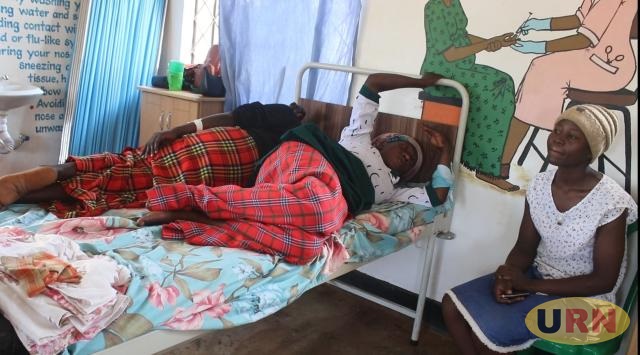 Rising patient numbers strain Bulucheke Health Centre IVThe Independent Uganda