The Benadryl Challenge isn’t going away – here’s how public health officials are trying to stop this deadly viral trend - The Conversation

What the report says
The Conversation Africa reported that the “Benadryl Challenge,” a social media trend first seen in 2020, has continued to cause serious health harms into 2026. The trend urges young people to take very high doses of diphenhydramine, the active ingredient in some Benadryl allergy products in the United States, in an attempt to experience hallucinations. According to the article, four teenagers in the U.S. died in May and June 2026 after participating, and one study estimated the challenge may have contributed to up to 131 U.S. deaths from 2020 to 2024.
The article explains that diphenhydramine is widely sold without a prescription and is considered safe at recommended doses, but excessive use can cause anticholinergic toxicity. Reported symptoms can include delirium, seizures, abnormal heart rhythms, high body temperature, coma and death. The author, who researches social media’s effects on health behavior, noted that easy access to the drug and peer pressure online can make adolescents especially vulnerable.
Public health responses have included warnings and education campaigns. The U.S. Food and Drug Administration warned about the trend in 2020, urged adults and clinicians to discuss medication safety with young people, and contacted TikTok about removing related content. The article also cited wider efforts to regulate platforms that expose minors to harmful content, including laws in the European Union and United Kingdom.
Outside the U.S., The Conversation reported that responses have mostly focused on awareness rather than trend-specific regulation. Canadian officials and communities have warned families, including an Ontario First Nation alert in May 2026. The article says prevention now increasingly depends on faster risk communication, digital health literacy, school medication-safety programs and cooperation among caregivers, schools, clinicians, poison centers, public agencies and technology companies.
Loading debate for this article…
Other publishers covering this story
- The Benadryl Challenge Isn’t Going Away — Here’s How Public Health Officials Are Trying To Stop This Deadly Viral Trend - Yahoo HealthYahoo Entertainment
- The Benadryl Challenge isn’t going away – here’s how public health officials are trying to stop this deadly viral trend - The ConversationGoogle News
Related reporting
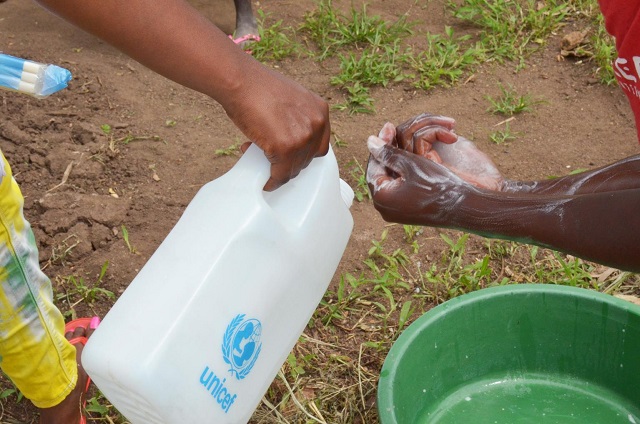 REPORT: 90% of Ugandans can’t wash their hands properlyThe Independent Uganda
 75% of Cancer Patients in Uganda Seek Treatment at Advanced Stages, Experts WarnNile Post
 Benard Feni Joins Malaria Free Uganda Board as Push for Domestic Funding GrowsNile Post
 Victoria University hosts first inter-university mental health symposium - PML DailyPML Daily
 Lango Seeks Japanese Investment in Agriculture, Industry and Social ServicesNile Post
 Medicine shortages undermining village health teamsThe Observer