The American Heart Association has a new number for daily coffee—and a warning if you go over it - Fortune

What the report says
Fortune reported that a new American Heart Association scientific statement, published in the journal Circulation, reviews evidence on caffeinated coffee and cardiovascular health. The article, by Orianna Rosa Royle and published July 22, 2026, says the statement identifies up to five cups of caffeinated coffee a day, or about 400 milligrams of caffeine, as generally safe for most adults when consumed black and without added sugar or other ingredients.
The findings are not presented as a simple “more is better” message. According to Fortune, the review found that among people with healthy blood pressure, one to three cups a day was associated with a higher risk of developing high blood pressure, while more than three cups was linked to a lower risk. It also reported that two to four cups of caffeinated coffee daily was associated with lower risks of heart disease, heart failure and stroke, but that more than four cups may raise heart failure risk.
Fortune cited Gregory Marcus, M.D., chair of the statement’s writing group and associate chief of cardiology for research at UC San Francisco Health, as saying that up to five cups daily does not increase cardiovascular risk, with the important caveat that the coffee is black. The article also noted that regular black coffee was linked over time to a lower risk of type 2 diabetes, despite possible short-term effects on insulin sensitivity.
The report distinguished coffee and tea from energy drinks. Fortune said the statement associated tea with reduced risks of atrial fibrillation, heart failure and stroke, while warning that highly concentrated caffeine in energy drinks was linked to cardiovascular harms, including high blood pressure and irregular heart rhythm, even among some younger healthy adults.
Loading debate for this article…
Other publishers covering this story
No additional verified coverage is currently clustered with this report.
Related reporting
 Atwine Warns Border Officers Over Ebola Screening Lapses at MpondweNile Post
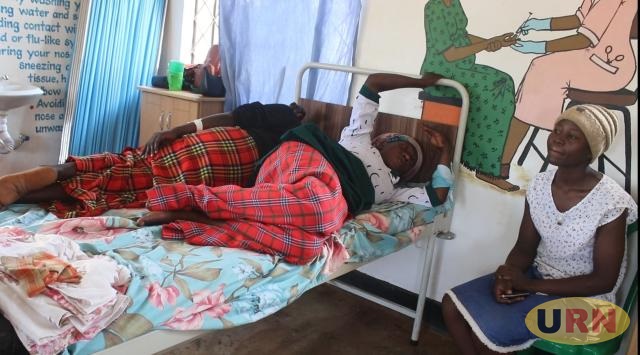 Rising patient numbers strain Bulucheke Health Centre IVThe Independent Uganda
 Health officials race to trace source of Nigeria's Ebola infection - Daily MonitorDaily Monitor
 Uganda Martyrs Hospital Unveiled in Honour of Late Bishop WamikaNile Post
U.S. to Reduce Health Aid to Kenya as Nairobi Takes Over HIV, Malaria Funding - ChimpReportsChimpReports
Mubende hospital restricts number of caregivers to tackle overcrowding - Daily MonitorDaily Monitor
Uganda Martyrs Hospital Unveiled in Honour of Late Bishop WamikaNile Post
U.S. to Reduce Health Aid to Kenya as Nairobi Takes Over HIV, Malaria Funding - ChimpReportsChimpReports
Mubende hospital restricts number of caregivers to tackle overcrowding - Daily MonitorDaily Monitor