
Sudan: 'Drone Attacks Unlike Anything Sudan Has Seen Before' - UNICEF

What the report says
UNICEF says drone attacks on Sudan’s power stations are worsening an already severe humanitarian emergency, disrupting access to water, schooling and healthcare for children. In comments delivered in Geneva after a recent visit to Sudan, James Elder, UNICEF’s senior adviser and spokesperson, said the scale of the strikes, combined with drought, is creating conditions he described as unlike anything the country has previously faced.
According to the report, power infrastructure was hit repeatedly during the final week of October, with as many as 15 stations struck in the month. UNICEF warned that when electricity is cut, water pumps and treatment systems stop working, leaving families to rely on costlier and less safe alternatives. The loss of power also threatens vaccine storage, irrigation and fuel supplies, which can deepen food insecurity and drive up prices.
Elder said the crisis is especially dangerous for children, citing an estimate that 825,000 children under five could face severe acute malnutrition in 2026. He also said drones are now responsible for a large share of child casualties this year, broadening the war into areas that had previously been relatively safe. The report frames the situation as part of Sudan’s wider conflict and drought emergency, with humanitarian agencies warning that basic services are steadily collapsing.
Loading debate for this article…
Other publishers covering this story
No additional verified coverage is currently clustered with this report.
Related reporting
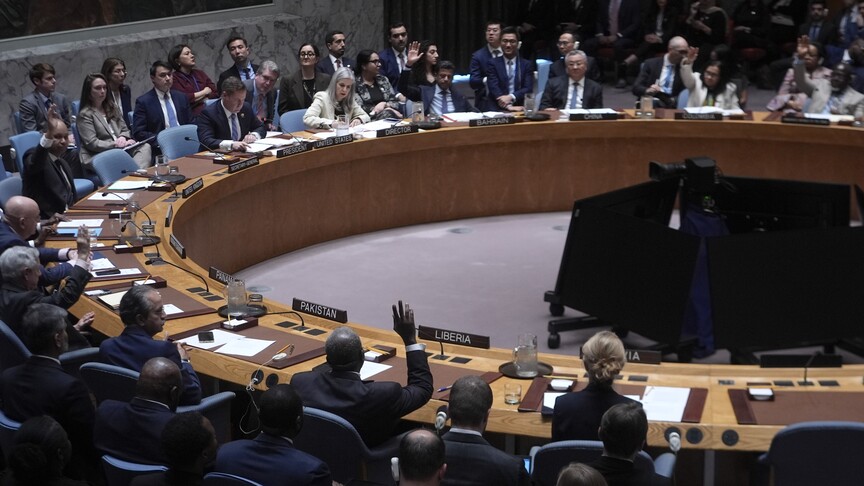 UN Security Council renews peacekeeping mission's mandate in Central African RepublicAnadolu Agency Africa
 Mississippi elects first black senator in nearly 150 yearsAl Jazeera
 Iran says it targeted US radar site in BahrainAl Jazeera
 Gaza surgeon films aftermath of Israeli strikeAl Jazeera
 Spanish court suspends far-right group over alleged hate crimesAl Jazeera
 North Korean hackers used fake video calls in $400m crypto hack, says FBIBBC World News