Steam Deck sales are losing steam since May's price hike - Ars Technica
What the report says
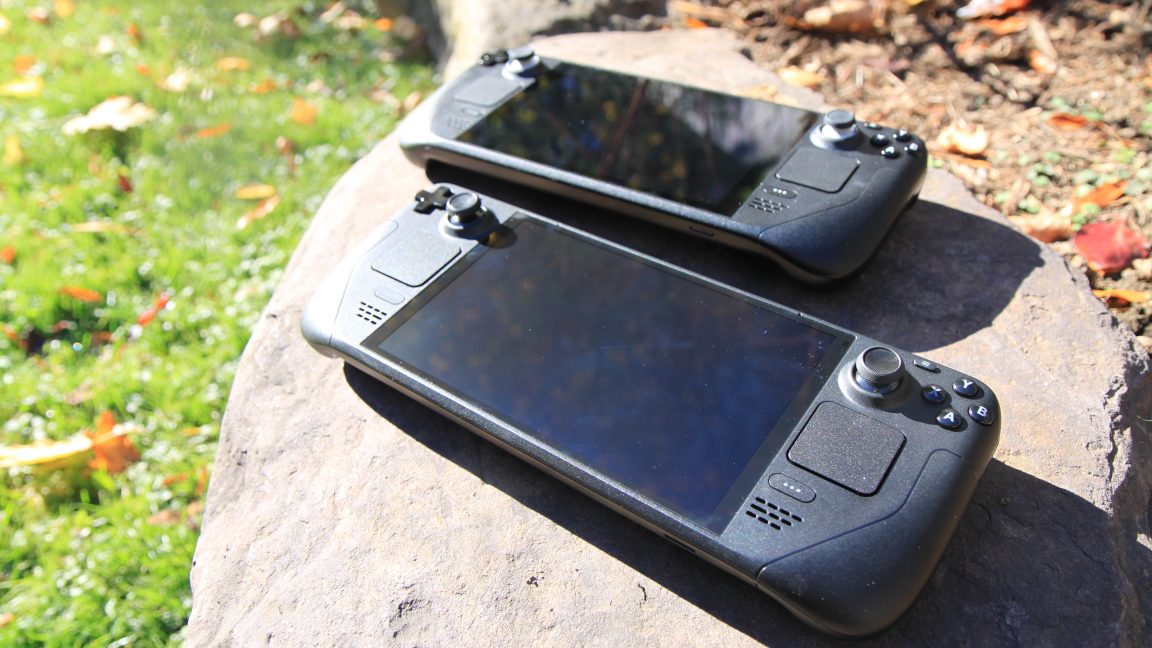
Ars Technica reports that Valve’s Steam Deck appears to be selling at a much slower pace after returning to market in May at higher prices. The handheld gaming PC, launched in 2022, had long been a regular near the top of Steam’s revenue-based “top selling products” rankings. According to Ars, chart analysis by the Linux gaming site Boiling Steam shows the device falling from fifth place when orders resumed in late May to 14th place for two weeks in early July, with the latest chart placing it 12th.
The reported decline follows a period of constrained availability. Valve had warned in February of “intermittent shortages,” and the Steam Deck was unavailable until May before relaunching with prices listed by Ars at $789 to $949, compared with the earlier $400 to $649 range. Boiling Steam’s rough estimates, based on chart positions, assumed device pricing and nearby game revenue, suggest weekly unit sales may have dropped from a 2025 baseline of about 11,000 to 18,000 units to roughly 1,400 to 3,000.
Ars cautions that the estimates have significant uncertainty because Steam’s bestseller list is based on revenue rather than disclosed unit sales. Still, if the model is close, it would indicate a major slowdown for a product estimated to have sold about 4 million units in its first three years.
The report says the higher price may be weakening demand, especially as rival handheld gaming PCs from brands such as Asus ROG, Lenovo and MSI compete in similar price ranges. Ars also notes that continuing regional supply issues could be contributing, making it unclear how much of the drop is caused by demand versus availability.
Loading debate for this article…
Other publishers covering this story
No additional verified coverage is currently clustered with this report.
Related reporting
 256 Mall gives Ugandan shoppers one place to discover local sellers, products and services256 Mall
256 Mall gives Ugandan shoppers one online place to discover sellers, prices and local options256 Mall
256 Mall gives Ugandan shoppers one place to discover local sellers, products and services256 Mall
256 Mall gives Ugandan shoppers one online place to discover sellers, prices and local options256 Mall
 Digital number plates: MPs move to verify tracking system as police report 90% vehicle recovery rate - Daily MonitorDaily Monitor
256 Mall guide: one web mall for browsing Uganda’s local sellers by category, location and shop256 Mall
Digital outreach methods are quietly transforming modern voter mobilization efforts - ChimpReportsChimpReports
Uganda Arrests 365 Foreigners in INTERPOL Africa Cybercrime Crackdown - ChimpReportsChimpReports
Digital number plates: MPs move to verify tracking system as police report 90% vehicle recovery rate - Daily MonitorDaily Monitor
256 Mall guide: one web mall for browsing Uganda’s local sellers by category, location and shop256 Mall
Digital outreach methods are quietly transforming modern voter mobilization efforts - ChimpReportsChimpReports
Uganda Arrests 365 Foreigners in INTERPOL Africa Cybercrime Crackdown - ChimpReportsChimpReports