
South Africa unveils plan to combat violence against women after 11 killings
What the report says
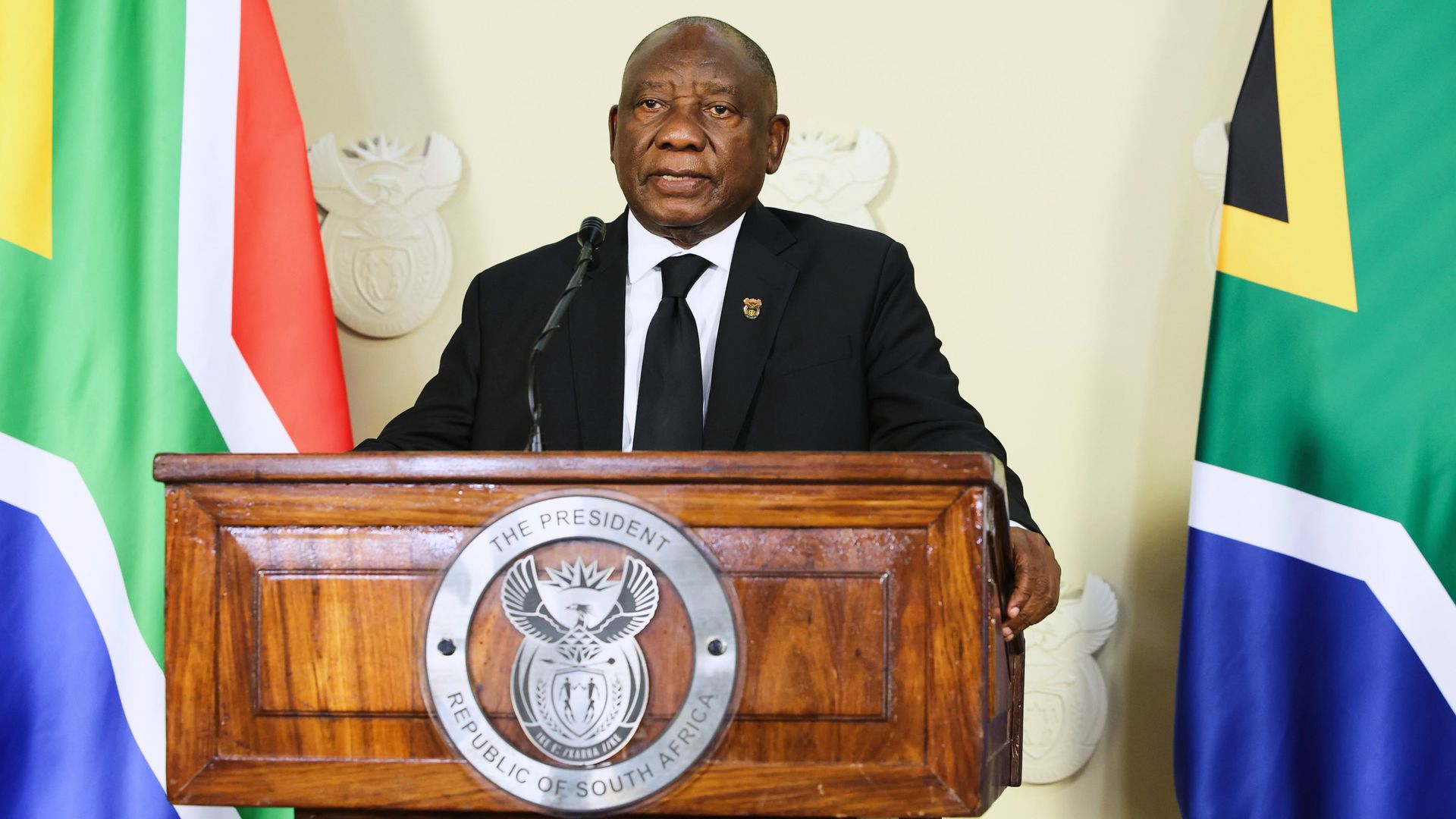
South Africa’s president has announced urgent measures aimed at tackling violence against women after at least 11 women were killed over a two-month period, according to Sky News World. The announcement comes amid renewed public concern about gender-based violence in a country that has long struggled with high levels of assaults and femicides.
Sky News World reported the plan in the context of the recent killings, though the detailed measures were not included in the supplied text. The central development is the government’s move to respond quickly to the deaths, signaling that the issue is being treated as an urgent national problem rather than a routine crime story.
The killings have drawn attention to broader concerns about women’s safety in South Africa, where advocacy groups and officials have often pointed to the need for stronger prevention, enforcement and support systems. In general, responses to gender-based violence can include tougher policing, better victim services, public awareness campaigns and coordination across agencies.
The announcement matters because it reflects both the severity of the recent violence and the pressure on authorities to deliver concrete protection for women. Based on the available report, the president’s action appears intended to show a rapid government response, but the specific policy details and timeline were not provided in the source material.
Loading debate for this article…
Other publishers covering this story
No additional verified coverage is currently clustered with this report.
Related reporting
 Ukraine's prized steel industry left in ruins by Russian missile campaignBBC World News
 Iraq begins high-stakes security balancing act as US troops withdrawAl Jazeera
 Man City CEO: Premier League verdict based on ‘conspiracy theory’Al Jazeera
 UN extends mandate of Gang Suppression Force in Haiti for six monthsAl Jazeera
 South Africa to clean up high-risk areas after 12 women killedBBC World News
 Six Flags shuts down X2 rollercoaster after hundreds allege brain injuriesBBC World News