
South Africa: Stroke Explained - Recognise the Warning Signs and Act Fast

What the report says
AllAfrica republished a Health-e News explainer from Cape Town marking World Brain Day on 22 July, focused on how to recognise stroke symptoms and respond quickly. The article cites stroke neurologist Dr Pradeep Rowji of the Neurological Association of South Africa, who answered common questions about what strokes are, why they require urgent care, and how people can reduce their risk.
Health-e reported that a stroke occurs when blood supply to part of the brain is cut off, either because a vessel is blocked, known as an ischaemic stroke, or because a vessel bursts, causing bleeding in or around the brain, known as a haemorrhagic stroke. The article warned that brain cells can die rapidly during a stroke, affecting abilities such as movement, speech, vision and memory. For some ischaemic stroke patients, clot-dissolving treatment may be possible within four-and-a-half hours after symptoms begin.
The report urged people to treat suspected stroke as a medical emergency: call emergency services, say a stroke is suspected, record when symptoms began or when the person was last known to be well, and get the patient to a health facility as soon as possible. It also encouraged readers to learn the BE FAST warning signs, a commonly used checklist for balance, eyes, face, arms, speech and time.
Health-e said up to 90% of strokes are connected to risk factors that can be prevented or better controlled, including high blood pressure, diabetes, high cholesterol and smoking. The article also highlighted South Africa’s limited specialist capacity, reporting fewer than 200 neurologists for more than 60 million people, with uneven access to diagnosis, treatment and rehabilitation.
Loading debate for this article…
Other publishers covering this story
No additional verified coverage is currently clustered with this report.
Related reporting
 Argentinian judge drops fraud investigation into Milei over crypto scandalAl Jazeera
 Syrians protest Israel’s incursions near occupied Golan HeightsAl Jazeera
 WHO announces start of Ebola vaccine clinical trial in DR CongoAl Jazeera
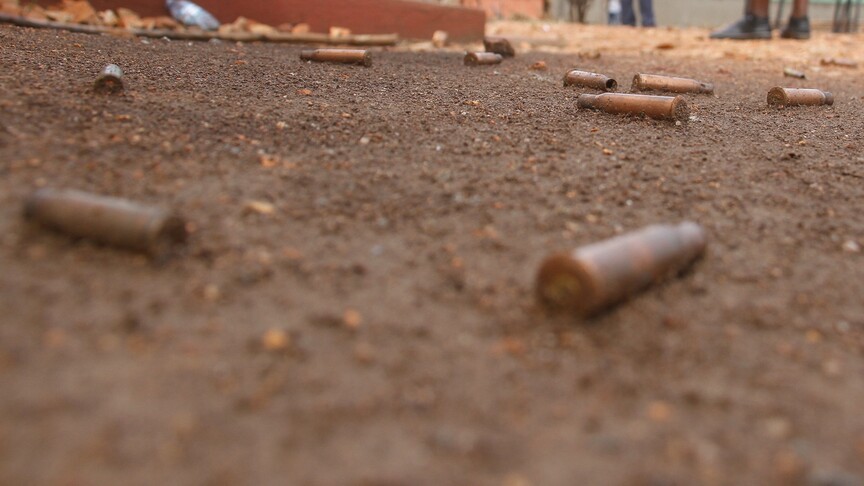 At least 9 killed in clashes in Ethopia, driving more than 2,000 to flee to KenyaAnadolu Agency Africa
 Iran war live: Israel launches ‘targeted’ Hebron operation after attackAl Jazeera
Sudan: Drone Strikes Killed At Least 306 People in Three WeeksAllAfrica
Iran war live: Israel launches ‘targeted’ Hebron operation after attackAl Jazeera
Sudan: Drone Strikes Killed At Least 306 People in Three WeeksAllAfrica