Shadows of past political violence shape the lives of young Africans for years – a study of nine countries
What the report says
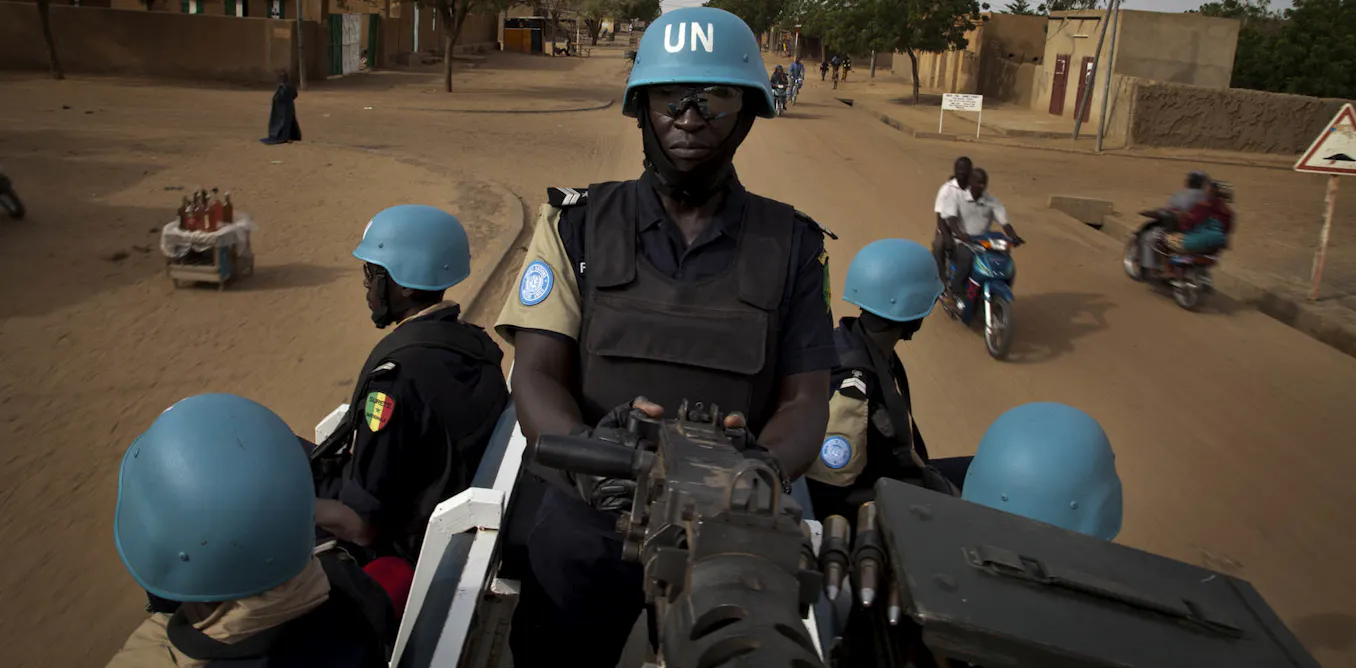
The Conversation Africa reported on a study finding that young people who grow up in communities with a long record of political violence face greater risks of later abuse in homes, schools and peer relationships. The article defines political violence as force used by groups for political aims, including attacks on civilians, clashes, riots and explosions, and argues that its harms may persist well after fighting or unrest subsides.
The researchers, described as development economists and public health experts, analysed data from 35,439 people aged 13 to 24 in Côte d’Ivoire, Kenya, Malawi, Mozambique, Namibia, Nigeria, Uganda, Zambia and Zimbabwe. They linked nationally representative surveys on violence against children and youth with Armed Conflict Location & Event Data Project records on the timing and location of past political violence.
According to the article, exposure to political violence over at least 15 years was associated with higher risks of interpersonal violence, while exposure over one to five years showed no significant link. The reported increases included sexual violence among poorer households by up to 16.9%, emotional violence from family members by 5.5%, and physical violence from intimate partners by 3.0%.
The authors suggested several possible pathways, including chronic insecurity, learned acceptance of violence, weakened social norms, economic hardship and damaged protection systems such as schools, health services and community networks. They argued that child protection in fragile settings should go beyond emergency relief and include long-term community services, caregiver support, mental health help, social protection and attention to the history of conflict in each community.
Loading debate for this article…
Other publishers covering this story
No additional verified coverage is currently clustered with this report.
Related reporting
 Oil slips from near six-months highs despite supply concerns - Daily MonitorDaily Monitor
Govt halves non-essential spending as local currency hits 33-year low against US dollar - Daily MonitorDaily Monitor
Oil slips from near six-months highs despite supply concerns - Daily MonitorDaily Monitor
Govt halves non-essential spending as local currency hits 33-year low against US dollar - Daily MonitorDaily Monitor
 Uganda calls for predictable funding and joint AU-UN frameworks for continental peace operationsThe Independent Uganda
Buffaloes take over Agago villages, kill one - Daily MonitorDaily Monitor
Suspected Karamojong rustlers kill farmer in Agago - Daily MonitorDaily Monitor
Uganda calls for predictable funding and joint AU-UN frameworks for continental peace operationsThe Independent Uganda
Buffaloes take over Agago villages, kill one - Daily MonitorDaily Monitor
Suspected Karamojong rustlers kill farmer in Agago - Daily MonitorDaily Monitor
 Uganda Joins AU-UN Push for Stronger African PeacebuildingNile Post