
SEATINI @30: The African institution seeking to reshape the continent’s place in global trade
What the report says
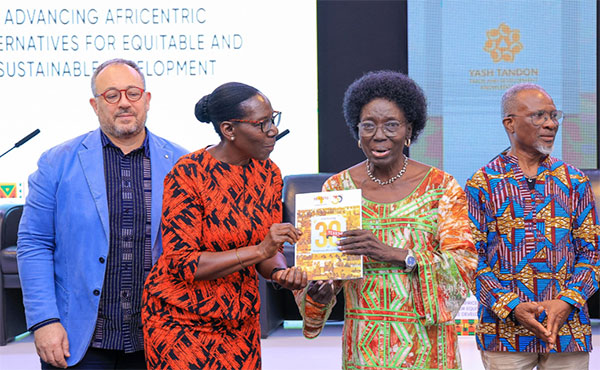
SEATINI, the Southern and Eastern Africa Trade Information and Negotiations Institute, marked 30 years of work with an anniversary event in Kampala on July 29, according to The Independent Uganda. The gathering brought together government officials, regional bodies, development partners, academics, civil society groups and private sector leaders to reflect on Africa’s role in global trade and the pressures reshaping it, including geopolitical tensions, climate change, technological change and shifting trade ties.
The report says the institute, founded in 1996 by Professor Yash Tandon, has spent three decades building research, training and advocacy capacity on trade, taxation, regional integration, agriculture and climate justice. At the celebration, SEATINI launched several new initiatives, including its 2026–2030 strategic plan, a Yash Tandon Trade and Development Knowledge Hub, an Africentric Trade and Development Policy Academy and a new digital platform for sharing research and policy resources.
SEATINI Executive Director Jane Nalunga said the next phase will focus on stronger African knowledge systems and African-led alternatives to current development challenges. Uganda’s First Deputy Prime Minister and East African Community Affairs Minister Rebecca Alitwala Kadaga urged trade policies to improve livelihoods, support industrialisation and create jobs, especially for women and young entrepreneurs. Speakers also stressed that Africa should play a more active role in shaping economic rules rather than only reacting to them.
The article presents SEATINI’s anniversary as both a milestone and a signal of broader debates over how African institutions can help the continent negotiate trade on more equal terms and turn policy knowledge into practical development outcomes.
Loading debate for this article…
Other publishers covering this story
No additional verified coverage is currently clustered with this report.
Related reporting
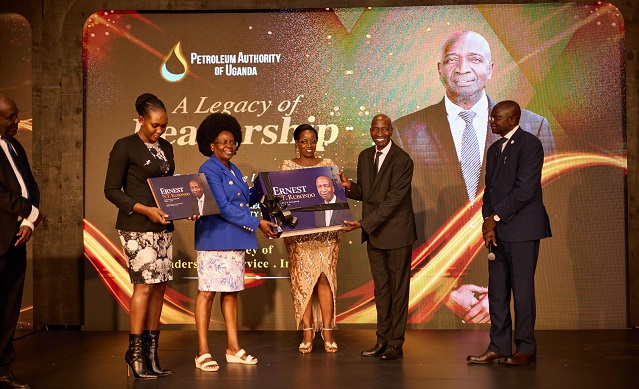 Oil sector pays tribute to Ernest Rubondo after four decades of serviceThe Independent Uganda
 Police arrest three suspected motorcycle robbery gang members in KampalaWatchdog Uganda
 NIC Life and SPADES Insurance Brokers Launch the FLIP, an Affordable Insurance Cover for Ugandan FamiliesWatchdog Uganda
 Young Ugandan Innovators Awarded Shs205m to Scale Agricultural SolutionsSoftPower News
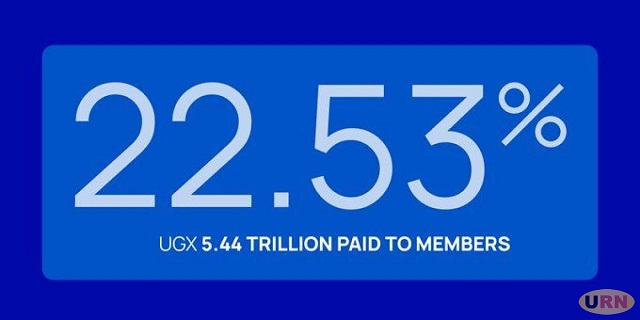 NSSF’s latest interest rate feared to disrupt marketsThe Independent Uganda
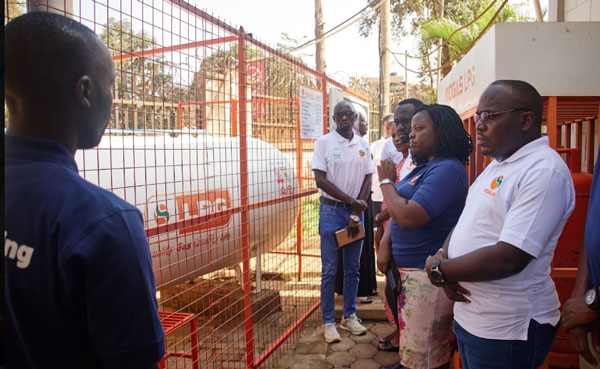 Pride Bank, MOGAS partner to expand access to affordable clean cooking solutionsThe Independent Uganda