
Scientists say August was Earth's hottest month they've measured
What the report says
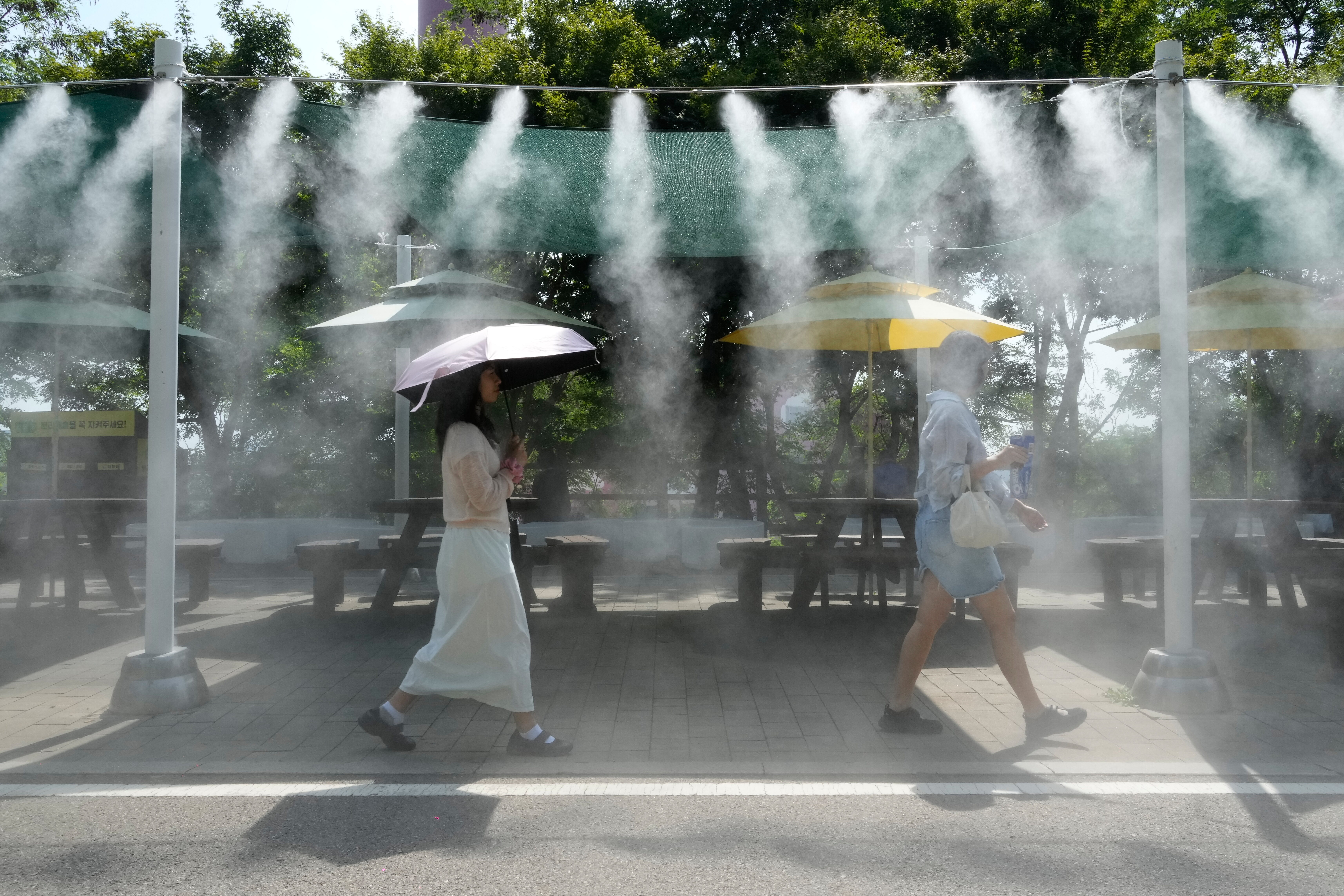
NPR World reports that the European climate service Copernicus said August was the hottest month ever measured on Earth, underscoring the persistence of extreme global heat. The finding adds to a broader pattern of rising temperatures that scientists have linked largely to human-caused climate change.
According to the source snippet, the record heat was identified by Copernicus, the European Union’s climate monitoring service. The report says scientists attribute the surge in temperatures primarily to greenhouse gas emissions from human activity, which are warming the planet and making heat extremes more likely and more intense.
The development matters because monthly temperature records are one of the clearest ways researchers track the pace of climate change. While the available text is limited, the result fits into a wider scientific consensus that the Earth is warming and that recent years have seen repeated global heat records. NPR World’s report indicates this latest mark was measured in August, but does not provide additional figures or regional details in the supplied material.
More broadly, climate experts typically use these record-breaking months to illustrate how warming is affecting weather patterns, ecosystems and human health. The article’s main point is that the new high temperature is another signal of an ongoing warming trend rather than an isolated event.
Loading debate for this article…
Other publishers covering this story
No additional verified coverage is currently clustered with this report.
Related reporting
 Israelis have changed. Will they change their leadership?NPR World
 Seven killed in Gaza as Israel targets university campus and other sitesAl Jazeera
 UN official warns AI could ‘deepen’ global inequalityAl Jazeera
 Suspect in deadly Paris suburb shooting sent for psychiatric observationBBC World News
 Thousands mourn victims of deadly Jordan church attackAl Jazeera
 Early reports suggest record high turnout in Serbia electionsBBC World News