Scientists Create a 'Gut-on-a-Chip' That Reveals Hidden Drivers of Inflammatory Bowel Disease - ScienceAlert
What the report says
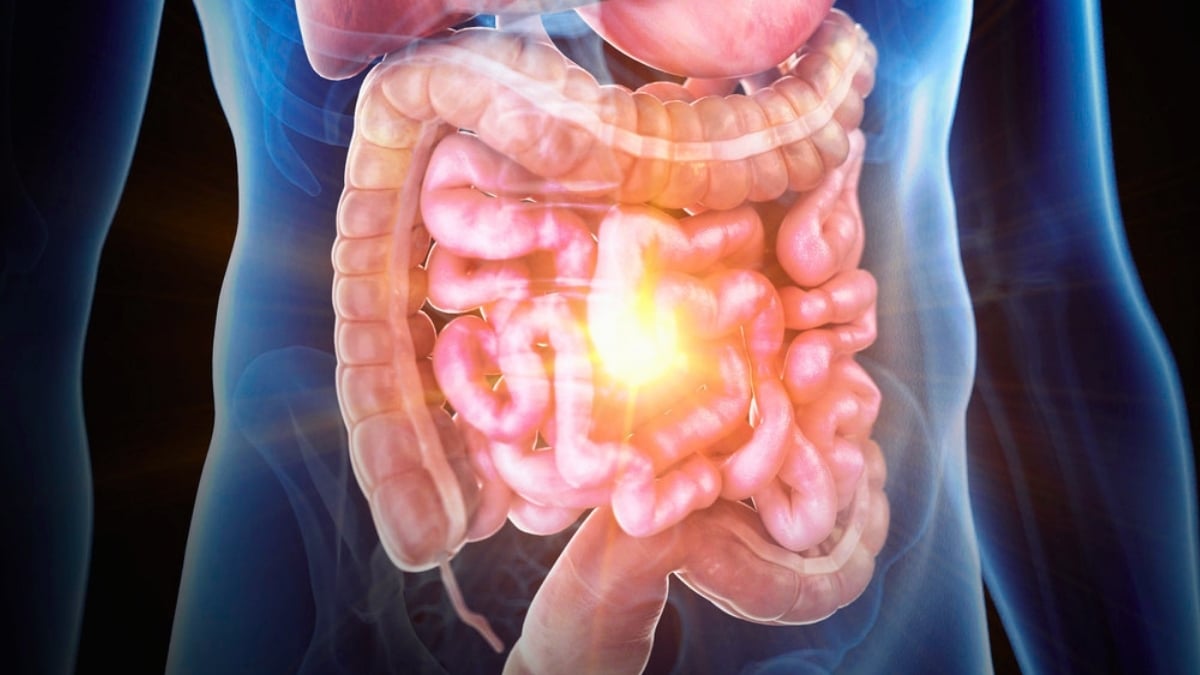
ScienceAlert reported on July 20, 2026, that researchers have developed a patient-derived “Colon Chip” model designed to recreate key features of inflammatory bowel disease, or IBD, in the laboratory. The study, published in Nature Biomedical Engineering, used cells donated by people with Crohn’s disease and ulcerative colitis, the two main forms of IBD, to build a human gut model that includes intestinal lining cells, stromal fibroblasts, immune cells and motion resembling the mechanical stretching of the bowel.
The report says the platform addresses a long-standing challenge in IBD research: standard cell cultures and animal models often fail to capture the complex interactions behind chronic intestinal inflammation, barrier damage and disease progression. A central finding was that fibroblasts, connective tissue cells usually associated with structural support and repair, appeared to actively contribute to disease-like changes. When fibroblasts from IBD patients were paired with otherwise healthy intestinal cells from the same individuals, the chip showed a weaker gut barrier and stronger inflammatory activity.
Researchers also used the model to examine factors that are difficult to study in conventional systems. Mechanical stretching intensified inflammatory and fibrotic responses in IBD-derived chips. Exposure to pregnancy-related hormones in chips made from female donors was linked to increased inflammation and collagen buildup, changes associated with scarring.
The team further tested early cancer-related changes by exposing healthy and diseased chips to the carcinogen ENU. Diseased chips showed stronger cancer-associated molecular responses, and patient-derived fibroblasts appeared important to that susceptibility. The findings matter because IBD affects millions globally and can raise colorectal cancer risk, but ScienceAlert noted that the chip is a research model rather than a treatment.
Loading debate for this article…
Other publishers covering this story
No additional verified coverage is currently clustered with this report.
Related reporting
 Lango Seeks Japanese Investment in Agriculture, Industry and Social ServicesNile Post
 Medicine shortages undermining village health teamsThe Observer
 Depression: Walking Through the Three Corners of Life Toward HealingNile Post
 Ebola: Uganda Reinstates Traveller Locator FormsNile Post
 Uganda remains Ebola-free as Health ministry probes Nigerian traveller infected with virus - Daily MonitorDaily Monitor
 Atwine Warns Border Officers Over Ebola Screening Lapses at MpondweNile Post