
Rubio’s bypass plan: Can the world escape the Strait of Hormuz chokepoint?

What the report says
U.S. Secretary of State Marco Rubio’s comments about reducing reliance on the Strait of Hormuz have prompted debate over whether global energy trade can be rerouted away from one of the world’s most important shipping corridors, Al Jazeera reported on Aug. 2, 2026. The strait, between Iran and Oman, has long carried a major share of seaborne oil and liquefied natural gas, making it a critical chokepoint for markets in Asia, Europe and beyond.
Al Jazeera cited energy experts who said Rubio’s idea is better understood as a long-term strategic vision than an immediate solution. They argued that existing alternatives are limited by capacity and by security risks. Saudi Arabia’s East-West Pipeline and the UAE’s Abu Dhabi Crude Oil Pipeline already move oil outside Hormuz, but the combined spare and operational capacity falls far short of the volumes that normally pass through the strait, according to the report.
The article also said shifting exports toward the Red Sea would not eliminate vulnerability, because routes there still depend on another chokepoint, the Bab al-Mandeb Strait, where Houthi threats have disrupted shipping. Analysts quoted by Al Jazeera warned that overland pipelines and pumping stations can become fixed targets for drones or missiles, making investors reluctant to fund large new infrastructure. The report’s broader point was that while some diversification exists, a near-term escape from Hormuz remains unlikely.
Loading debate for this article…
Other publishers covering this story
No additional verified coverage is currently clustered with this report.
Related reporting
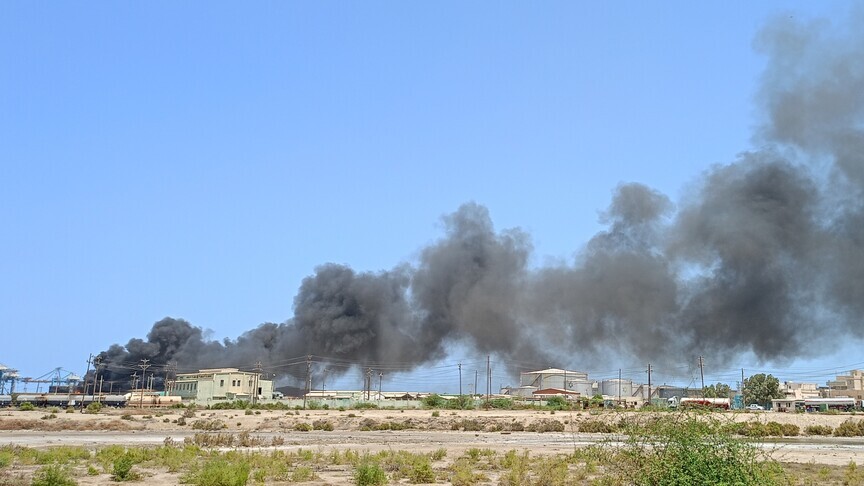 Drone attacks hit 2 power stations in eastern Sudan, trigger widespread outageAnadolu Agency Africa
 Hormuz shipping still faces major risksAl Jazeera
 UN's peacekeeping mission in disputed Western Sahara ends after 35 yearsNPR World
 The future of the Palestinian vote in IsraelAl Jazeera
 Kenya: Sifuna Announces Two-Week U.S. Tour to Engage Kenyans in DiasporaAllAfrica
Nigeria: Falae Dismisses Afenifere Split Rumours, Says No Succession Talks Before Fasoranti's BurialAllAfrica