Recycling Laptops And IMacs Makes PC Building Fun And Affordable Again - Hackaday
What the report says
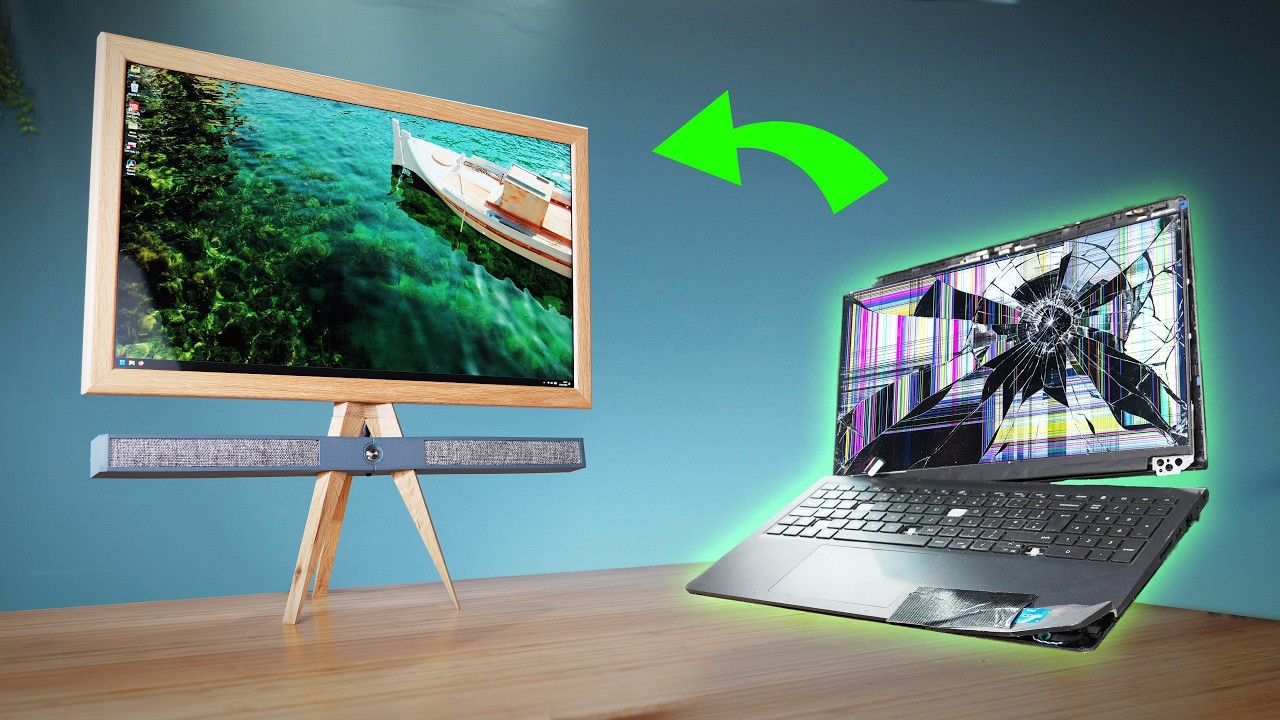
Hackaday highlighted a DIY computer build that uses discarded electronics as a way to make PC projects feel less cost-prohibitive. The post centers on Matt from the DIY Perks YouTube channel, who presented a build based on recycled laptop hardware rather than newly purchased desktop parts. Hackaday said the appeal is that some laptop mainboards can include soldered memory, a capable processor and embedded RTX-class graphics at a price comparable to buying a new RAM kit alone.
The project’s main technical hurdle was powering the salvaged laptop board outside its original chassis. According to Hackaday, Matt traced the keyboard membrane connection used for the power button and made a one-pin ribbon cable to start the system. The article notes that boards designed to power on without relying on the keyboard would make that part easier.
Hackaday also described a second reuse element: extracting the high-resolution LCD panel from an older Intel iMac with damaged glass. The iMac was reportedly destined for disposal, leaving the labor of separating the glass and recovering the display as the main cost. The finished setup became a custom all-in-one computer with an oak-and-aluminum tripod-style enclosure, and even the speakers were recovered from an old TV.
The piece frames the project as part cost-saving experiment and part e-waste reuse. Hackaday cautions that whether this approach makes sense depends on the user’s needs: an older iMac may be enough for some workloads, while others may need newer laptop components or more performance than a compact recycled build can provide.
Loading debate for this article…
Other publishers covering this story
No additional verified coverage is currently clustered with this report.
Related reporting
 256 Heart focuses on verified, private relationship discovery for adults in Uganda and the diaspora256 Heart
 256LinkShield helps users check suspicious links before they click256LinkShield
256 Heart Safety Center: how members can verify, message, report and meet more safely256 Heart
256 Express puts travel, delivery, cargo, hotels and food discovery in one Ugandan service hub256 Express
256 AI gives Ugandan users one account for assistant work, creation tools and practical AI tasks256 AI
 Beyond TikTok: Bulya Nambi Gertrude, Known as Leedear 9, and the Many Dimensions of a Digital Public IdentityWatchdog Uganda