
Profound Hypothyroidism as a Reversible Cause of Severe Low-Density Lipoprotein Cholesterol (LDL-C) Elevation: A Case Report - Cureus
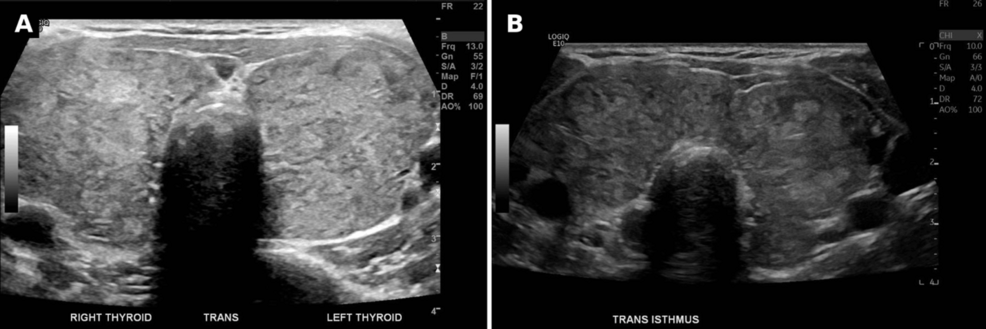
What the report says
Cureus has published a case report highlighting profound hypothyroidism as a potentially reversible explanation for a severe rise in low-density lipoprotein cholesterol, or LDL-C. According to the publisher’s summary, thyroid hormone has a major role in lipid metabolism, and very low thyroid hormone activity can reduce triiodothyronine, or T3, signaling that normally supports hepatic LDL receptor expression. When those receptors are reduced, LDL particles are cleared less efficiently from the bloodstream.
The publicly available text supplied for the article does not include patient details, location, laboratory values, treatment timeline or outcome figures. The headline and abstract snippet indicate the report’s central point: severe LDL-C elevation should not automatically be assumed to reflect a primary lipid disorder, because profound hypothyroidism can be a secondary and treatable contributor.
The case matters clinically because LDL-C is a key risk marker for atherosclerotic cardiovascular disease, and unusually high values often prompt evaluation for familial hypercholesterolemia or aggressive lipid-lowering therapy. General medical guidance recognizes hypothyroidism as one of the secondary causes clinicians consider when assessing dyslipidemia, alongside factors such as medications, kidney disease, liver disease and diabetes.
As framed by Cureus, the report supports checking thyroid function in patients with marked LDL-C elevation, particularly when symptoms or laboratory findings suggest hypothyroidism. It also underscores that lipid management may require reassessment after thyroid hormone replacement or correction of the underlying endocrine disorder, rather than relying only on cholesterol-lowering treatment at the initial presentation.
Loading debate for this article…
Other publishers covering this story
No additional verified coverage is currently clustered with this report.
Related reporting
 Mothers forced to share beds, sleep on floor at Bulucheke Health Centre IVThe Independent Uganda
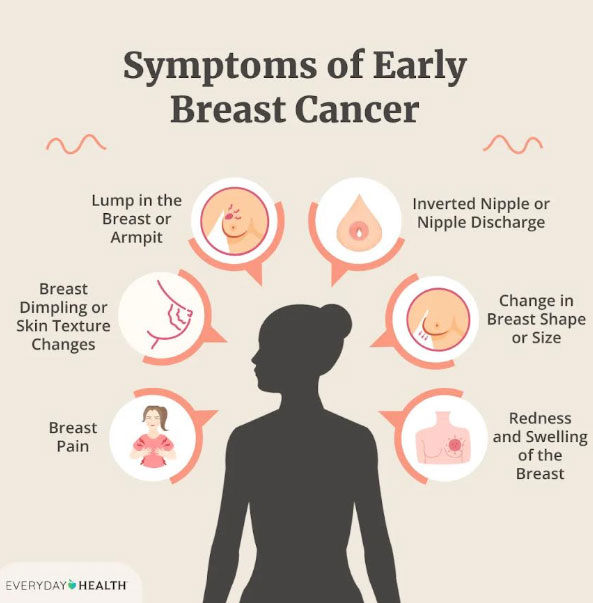 The overlooked realities of breast cancer in UgandaThe Independent Uganda
 Parents Urged to Vaccinate Children Against PolioNile Post
 Kilembe Hospital Targets December Readiness Ahead of 2027 Mining RestartNile Post
 REPORT: 90% of Ugandans can’t wash their hands properlyThe Independent Uganda
 75% of Cancer Patients in Uganda Seek Treatment at Advanced Stages, Experts WarnNile Post