Prior therapy defines mutation profiles in childhood cancer at relapse - Nature
What the report says
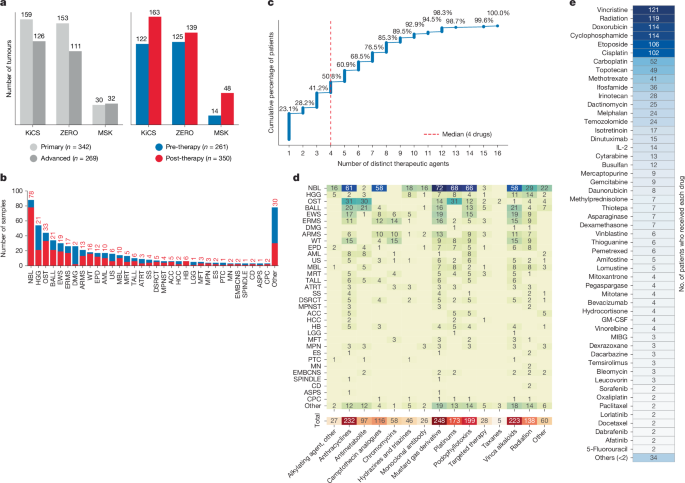
Nature reported that prior cancer treatment can leave clear genetic marks on childhood tumours that return or progress, with chemotherapy and radiotherapy identified as the only external mutagenic exposures detected in the relapsed cancers studied. The paper used whole-genome sequencing and treatment records to assess how therapy changes tumour DNA, focusing on paediatric cancers after exposure to chemotherapy or radiation.
The study analysed 611 tumour genomes from 544 patients enrolled through three precision-medicine programmes: SickKids Cancer Sequencing in Canada, ZERO in Australia and Memorial Sloan Kettering in the United States. Researchers linked the genomic data with medical-record information covering exposure to 86 therapies. Compared with treatment-naive tumours, post-therapy cancers had nearly three times as many private mutational signatures and about twice the overall burden of somatic mutations.
Platinum-based chemotherapy stood out as especially mutagenic. Nature reported that these drugs produced the highest number of variants in most patients and that the study more than doubled the number of known platinum-associated mutational signatures. By using therapy exposure dates, the researchers found that more than one-third of tumours treated with platinum drugs showed detectable platinum-related signatures within one year.
The findings matter because improved childhood cancer survival has often depended on intensive treatment, which can carry lifelong side-effects and risks of later malignancies. The Nature study adds genomic evidence that chemotherapy can also shape tumour evolution at relapse. The authors said this could support future treatment de-escalation strategies and, eventually, efforts to monitor resistant cancer clones before they expand.
Loading debate for this article…
Other publishers covering this story
No additional verified coverage is currently clustered with this report.
Related reporting
 Medicine shortages undermining village health teamsThe Observer
 Depression: Walking Through the Three Corners of Life Toward HealingNile Post
 Ebola: Uganda Reinstates Traveller Locator FormsNile Post
 Uganda remains Ebola-free as Health ministry probes Nigerian traveller infected with virus - Daily MonitorDaily Monitor
 Atwine Warns Border Officers Over Ebola Screening Lapses at MpondweNile Post
 Rising patient numbers strain Bulucheke Health Centre IVThe Independent Uganda