
Pollution on Glaciers Could Be Fueling Himalayan Disasters

What the report says
A New York Times World report says pollution settling on Himalayan glaciers is contributing to faster melting and helping drive more dangerous mountain disasters. The article focuses on soot from vehicles and factories darkening the ice, which makes glaciers absorb more heat and lose mass more quickly.
The reported concern centers on the Himalayas, where glaciers feed major rivers and support communities downstream. As the ice melts at accelerated rates, the risk of flooding, unstable slopes and other glacier-related hazards can rise. The piece frames the issue as part of a broader climate and air-pollution problem affecting one of the world’s most important high-altitude water sources.
While the full article text was unavailable, the core point is that black carbon and other fine particles can worsen warming effects on glaciers beyond temperature rise alone. In general scientific terms, darker surfaces reflect less sunlight, which can speed up melting. The report’s emphasis on pollution highlights how local emissions and regional climate impacts are linked, especially in mountain environments where small changes can have outsized consequences.
The story matters because Himalayan glacier loss affects water supply, disaster risk and long-term planning for densely populated areas across South Asia. It also underscores how reducing soot and other pollutants could help slow some of the damage alongside broader efforts to curb greenhouse-gas emissions.
Loading debate for this article…
Other publishers covering this story
No additional verified coverage is currently clustered with this report.
Related reporting
 Dispute Between Trump Allies Centers on Payment From CongoNew York Times World
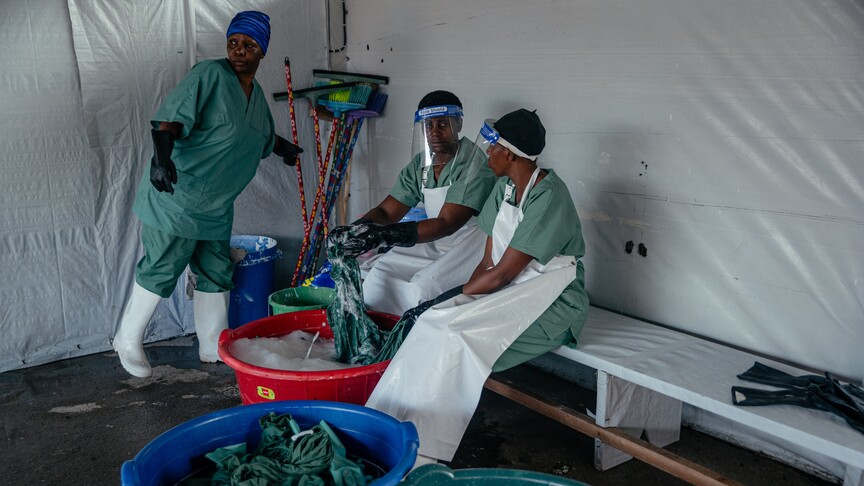 Kenya confirms 4 new Ebola cases, including 3 health workers, raising total to 7Anadolu Agency Africa
 What to Know About the Violent Protests in AlbaniaNew York Times World
 Buildings and cars set on fire as cost of living protests rock FranceAl Jazeera
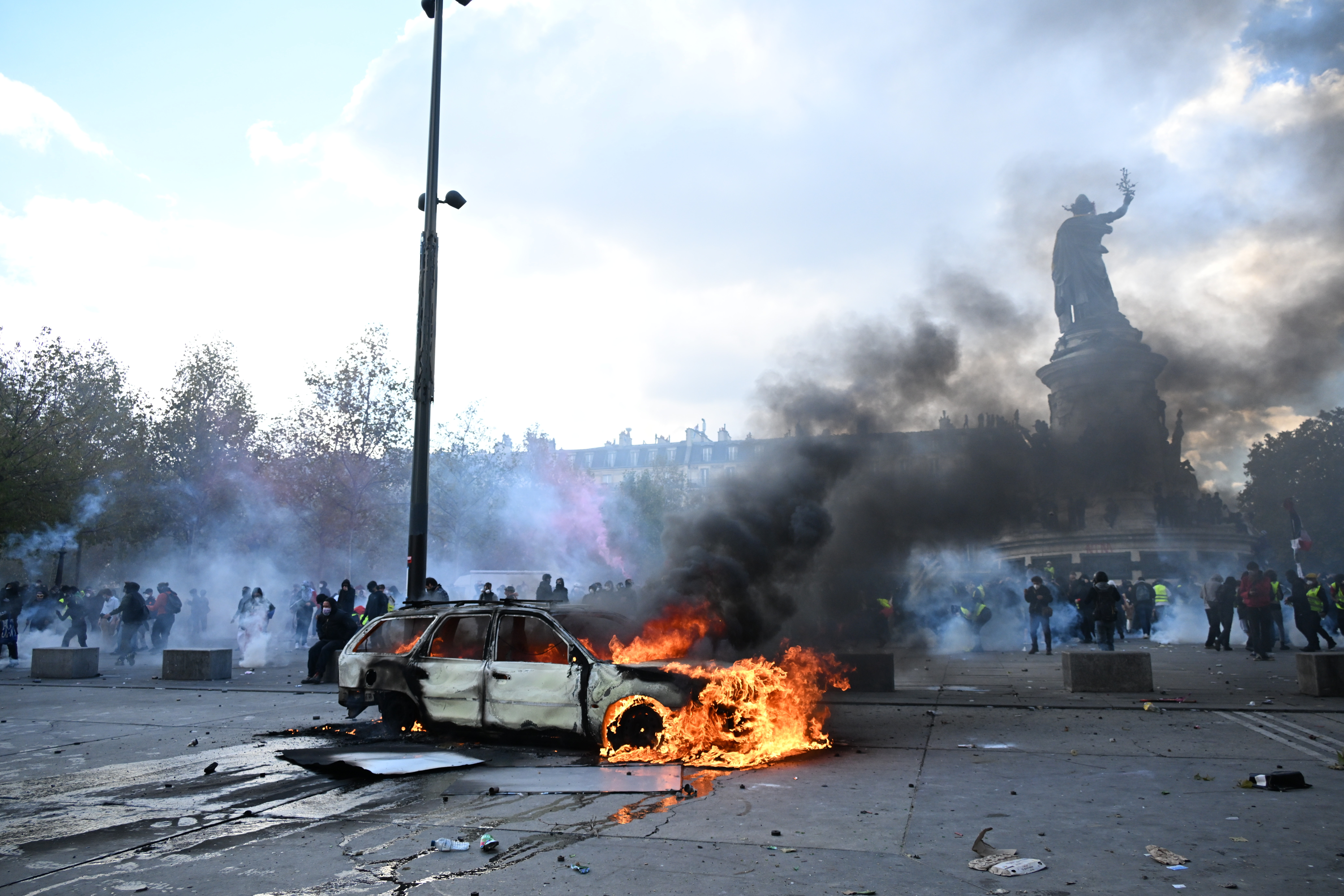 Scuffles and fires break out as protesters rally across France, joining studentsNPR World
 Indian Gen Z Protest Leader Is Released on Bail After ArrestNew York Times World