Pizza, pasta, potatoes, protein - how Italian children became so overweight
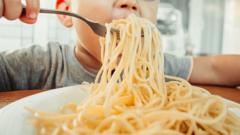
What the report says
BBC World News reports that Italy, long associated with the Mediterranean diet, is facing a serious child obesity problem, especially in the south. The report focuses on Campania and Ponticelli, near Naples, where in some areas more than 40% of eight- and nine-year-olds are overweight. It profiles 17-year-old Salvatore, who weighs 170kg and is being treated at Betania Hospital, but has been told surgery to reduce his stomach is currently too risky because of his weight. His doctor has instead prescribed a GLP-1 weight-loss injection to help him lose enough weight for an operation.
The BBC cites World Health Organization findings that Italian children are among the most overweight in Europe. Doctors interviewed in Naples say they are seeing severe obesity at younger ages, including very young children. Specialists quoted in the report argue that the traditional Mediterranean diet has been widely displaced by modern eating patterns heavy in pizza, pasta, potatoes, bread, protein and ultra-processed snacks, while many children consume too few vegetables and fruit.
The article also points to social and environmental factors, including parents not always recognizing excess weight as a medical issue, limited space for physical education in some older school buildings, and local food cultures where generosity is often expressed through feeding children. One Naples school teacher told the BBC that schools may help influence families by teaching children about nutrition.
According to the BBC, Campania is now part of wider efforts to respond, including nutrition workshops run by the Valter Longo Foundation for more than 17,000 students across 25 schools. The report also notes that Italy passed a national law in 2025 recognizing obesity as a chronic, progressive and relapsing disease, framing it as shaped by biology, environment and social circumstances rather than only personal choice.
Loading debate for this article…
Other publishers covering this story
No additional verified coverage is currently clustered with this report.
Related reporting
 Looting Left Damage and Fear on Paradise Street in MarseilleNew York Times World
 Ukraine’s Feeling of Moral Whiplash at the Hands of TrumpNew York Times World
 The Other Bolsonaro Who Could Become Brazil’s Next PresidentNew York Times World
 U.S. Pressures Mexico to Deliver a Security Win Ahead of Midterm ElectionsNew York Times World
 Could Lula Be on the Brink of Defeat in Brazil’s Election?New York Times World
 Why Brazil’s Election Could Come Down to CrimeNew York Times World