#OutToLunch: Are investment clubs ruining your life?
What the report says
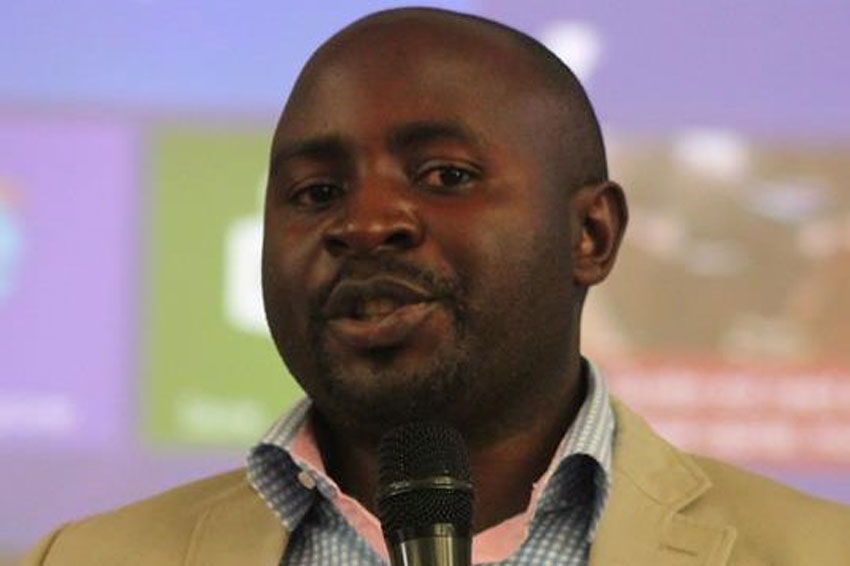
In a Watchdog Uganda opinion piece, writer Denis Jjuuko argues that the proliferation of WhatsApp groups has made it easier for people to join multiple investment or savings clubs, sometimes without fully weighing the cost. The column says these groups often emerge from workplaces, schools, neighborhoods, churches and social circles, and can quickly multiply until members struggle to keep up with meetings and monthly contributions.
Jjuuko says saving and investing are worthwhile, but only when they fit within a person’s income and leave enough money for basic needs. He gives the example of a worker whose salary was strained by obligations to several clubs in Kampala and in his ancestral village, leaving that person under constant financial pressure. The piece suggests that overcommitment can turn a helpful savings idea into a source of stress.
The article also notes that some clubs invest conservatively in assets such as land or unit trusts, which may not generate quick returns. When clubs lend to members, the writer says interest rates can be high, making it harder for members to benefit from money that is, in effect, their own pooled savings.
The column’s central advice is caution: people should consider joining only one or two clubs that match their goals, rather than spreading themselves too thin. In general terms, the piece reflects a broader debate about informal savings groups in Uganda and elsewhere, where they can build financial discipline but also create heavy obligations if membership is excessive.
Loading debate for this article…
Other publishers covering this story
No additional verified coverage is currently clustered with this report.
Related reporting
 Can a bad ground strap cause strange electrical problems? - Daily MonitorDaily Monitor
Will bigger rims and LED lights land me in trouble? - Daily MonitorDaily Monitor
Uganda Calls for Urgent UN Security Council Reform, Demands Africa’s Rightful Representation - ChimpReportsChimpReports
BLOG: Uganda Must Earn More Dollars Than It Spends — Year After Year - ChimpReportsChimpReports
PACEID Secretariat Head Bagonza Granted Bail - ChimpReportsChimpReports
Can a bad ground strap cause strange electrical problems? - Daily MonitorDaily Monitor
Will bigger rims and LED lights land me in trouble? - Daily MonitorDaily Monitor
Uganda Calls for Urgent UN Security Council Reform, Demands Africa’s Rightful Representation - ChimpReportsChimpReports
BLOG: Uganda Must Earn More Dollars Than It Spends — Year After Year - ChimpReportsChimpReports
PACEID Secretariat Head Bagonza Granted Bail - ChimpReportsChimpReports
 Heart & Soul returns in charity drive for donation of bloodThe Observer