
October 1 ushered in a new era in U.S. foreign aid. What's the plan? Will it work?
What the report says
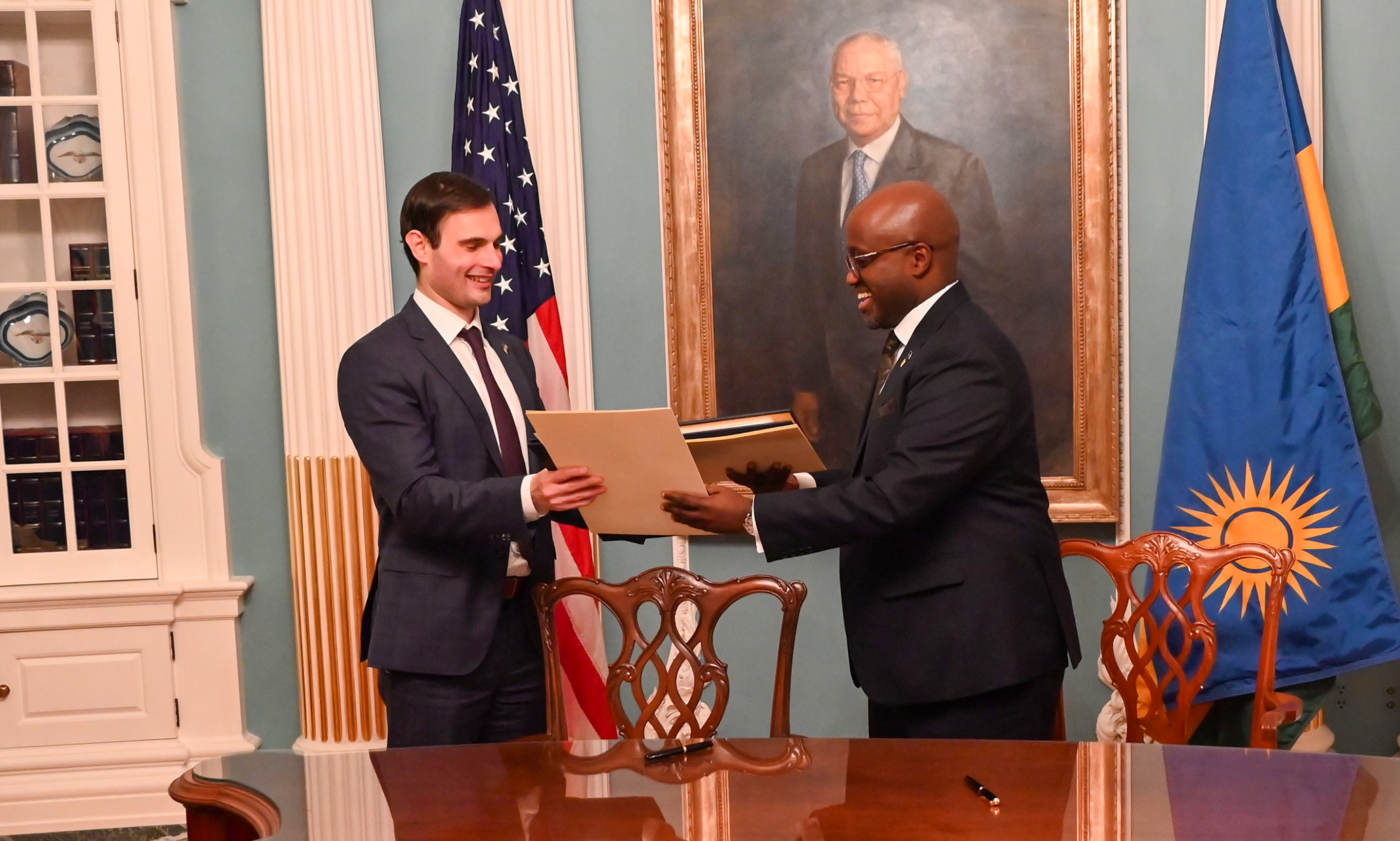
NPR World reports that a new U.S. foreign-aid approach took effect on October 1, centering on an “America First” strategy that ties healthcare and development assistance to a Memorandum of Understanding. The policy appears designed to make recipient arrangements more explicit and to push countries toward greater self-reliance, according to the source snippet.
The development is part of a broader shift in how the United States structures foreign assistance, especially in areas such as health and development programs. The NPR headline frames the change as the start of a “new era” and raises questions about how the plan will be implemented and whether it will achieve its goals.
Supporters, as described in the supplied material, view the requirement as a way to encourage responsibility and sustainability in aid relationships. Critics, however, object to making aid conditional on agreement terms they see as restrictive or potentially burdensome for partner governments and aid recipients.
The policy matters because U.S. aid is a major source of support in global health and development, and changes to its conditions can affect how quickly programs move forward and how much leverage Washington has with partner countries. Since the full article text was unavailable, this digest is limited to the framing provided by NPR and general background on foreign-aid policy.
Loading debate for this article…
Other publishers covering this story
No additional verified coverage is currently clustered with this report.
Related reporting
 Kenya conducts first Ebola burial as number of contacts linked to patient rises to 57Anadolu Agency Africa
 UN peacekeeping force in Lebanon says shots fired at Israeli border postAl Jazeera
 Christa Pike was nearly taken off life support before waking, lawyers sayAl Jazeera
 ‘No to the father, no to the son’: Thousands march in Rio against BolsonaroAl Jazeera
 Judge orders officials to preserve Pike execution evidenceAl Jazeera
 Pro-Palestine university groups march in London on October 7 anniversaryAl Jazeera