
Nigeria: Court Rejects Key Evidence in Dasuki's N33.2bn Trial

What the report says
A Federal Capital Territory High Court in Maitama, Abuja, has rejected seven extra-judicial statements that the Economic and Financial Crimes Commission (EFCC) sought to use in its N33.2 billion fraud case against former National Security Adviser Sambo Dasuki and his co-defendant, Aminu Baba-Kusa. According to Premium Times, the judge found the statements did not comply with sections 15(4) and 17(2) of Nigeria’s Administration of Criminal Justice Act and said the prosecution had not shown credible proof that the interviews met the required legal standards.
The ruling came after a trial-within-trial that focused on whether the statements were voluntary. Mr Baba-Kusa’s lawyers argued that they were obtained under duress while he was in EFCC custody in 2015. The EFCC presented investigators who said the statements were made freely, while the defence maintained that custody conditions made them unreliable. The court ultimately placed weight on the absence of audio-visual recording, saying such a record is meant to help show the circumstances in which a statement was taken.
The case concerns allegations that funds meant for arms and security purposes were diverted from the Office of the National Security Adviser during Mr Dasuki’s tenure. The prosecution has said some of the money was moved through Mr Baba-Kusa and related companies. The trial has stretched over many years and has faced repeated delays, adjournments and a re-arraignment after the case was assigned to the current judge. The court adjourned the matter to 13 November, while the EFCC considers its next step, which could include an appeal.
Loading debate for this article…
Other publishers covering this story
No additional verified coverage is currently clustered with this report.
Related reporting
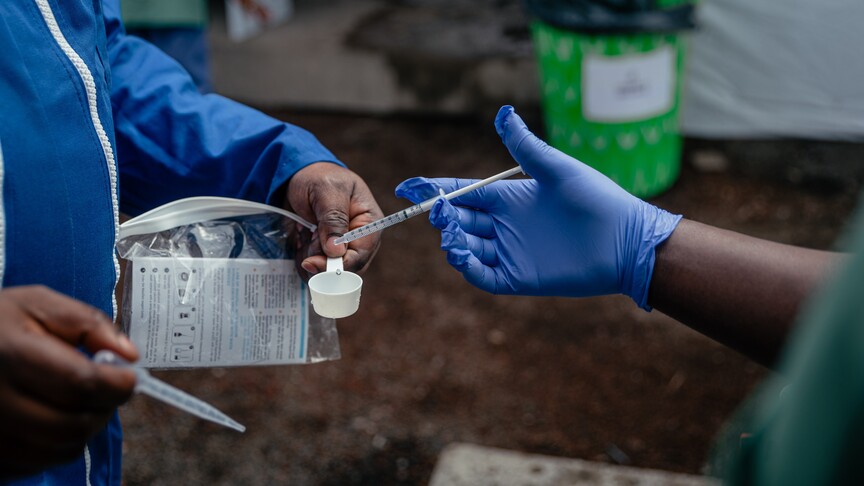 New Ebola vaccine trial launched in DR CongoAnadolu Agency Africa
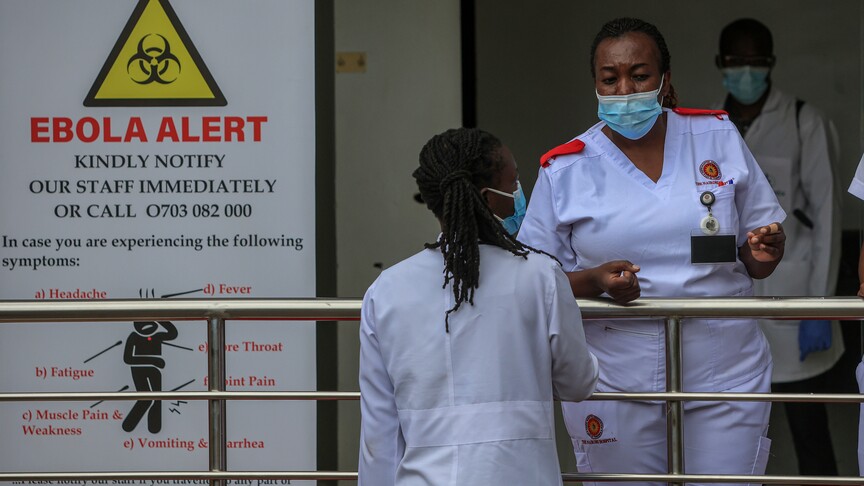 Kenya records second Ebola death, a 65-year-old womanAnadolu Agency Africa
 Argentinian judge drops fraud investigation into Milei over crypto scandalAl Jazeera
 Syrians protest Israel’s incursions near occupied Golan HeightsAl Jazeera
 WHO announces start of Ebola vaccine clinical trial in DR CongoAl Jazeera
 At least 9 killed in clashes in Ethopia, driving more than 2,000 to flee to KenyaAnadolu Agency Africa