
Neurologists see these 8 brain health mistakes almost every day, and many people don't realise they're making them - The Times of India

What the report says
The Times of India, in a July 25, 2026 health feature by Aadya Jha, reported on common lifestyle patterns neurologists say they frequently see among patients worried about memory lapses, poor concentration, word-finding trouble and “brain fog.” The article quotes Dr Prof. Suryanarayana Sharma P M, senior consultant neurologist and stroke specialist at Apollo Hospitals, Bannerghatta Road, Bengaluru, who said many such concerns are shaped by habits built up over years rather than sudden changes.
The report frames the issue around eight brain-health mistakes, with the available text detailing several: routinely sacrificing sleep, treating exercise as only a heart or weight issue, eating heavily processed or high-sugar foods, failing to monitor blood pressure, blood sugar and cholesterol, dismissing hearing loss, and allowing chronic stress to go unmanaged. It also begins a section on social withdrawal, noting that interaction with others engages multiple brain systems.
According to the article, Dr Sharma emphasized that deep sleep supports the brain’s waste-clearing processes, while physical activity improves blood flow and supports brain-derived neurotrophic factor, a protein linked to neuron health. The report also says uncontrolled midlife cardiovascular risks can damage small brain vessels silently, and that untreated hearing problems may increase cognitive strain.
The practical message is preventive: regular sleep schedules, daily movement, less processed food, routine health checks, hearing assessment when needed, stress management and social connection may all support long-term cognitive health. The article presents these as modifiable habits, while readers with persistent or worsening symptoms should seek individualized medical advice.
Loading debate for this article…
Other publishers covering this story
No additional verified coverage is currently clustered with this report.
Related reporting
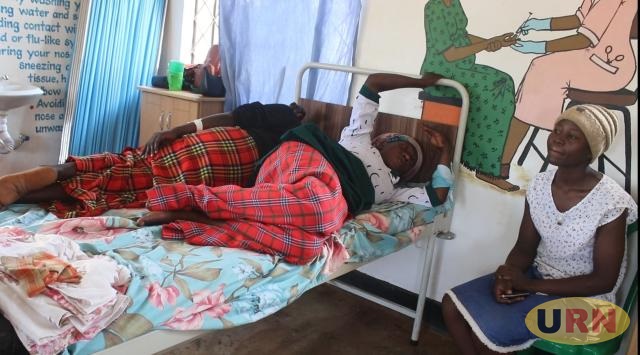 Mothers forced to share beds, sleep on floor at Bulucheke Health Centre IVThe Independent Uganda
 The overlooked realities of breast cancer in UgandaThe Independent Uganda
 Parents Urged to Vaccinate Children Against PolioNile Post
 Kilembe Hospital Targets December Readiness Ahead of 2027 Mining RestartNile Post
 REPORT: 90% of Ugandans can’t wash their hands properlyThe Independent Uganda
 Ebola: Health workers must maintain high index of suspicion, experts declareThe Punch