Neurologist Dr Nitti Kapoor Kaushal shares 5 everyday changes that can signal poor brain health ahead of World Brain Day - Hindustan Times

What the report says
Hindustan Times reported that neurologist Dr Nitti Kapoor Kaushal highlighted subtle everyday changes that may point to declining brain health, in a health feature published ahead of World Brain Day on July 22. Dr Kapoor Kaushal, a consultant in neurology at Manipal Hospital, Patiala, told HT Lifestyle that brain-related disorders can affect daily routines before obvious physical symptoms appear, making early signs easy to dismiss.
According to the report, she identified persistent forgetfulness as a key warning sign, especially when it involves repeated missed appointments, recurring questions, forgotten names, familiar routes, recent events or important conversations. She said such memory problems can be associated with neurodegenerative conditions, including Alzheimer’s disease and other dementias, though they may also have reversible causes that require medical evaluation.
The article said Dr Kapoor Kaushal also urged people to watch for difficulty finding words, reduced ability to follow conversations, poor balance or coordination, sleep disturbances, and declining focus or problem-solving skills. She added that mood swings, personality shifts, poor judgment and loss of interest in previously enjoyed activities can also reflect changes in brain function. Hindustan Times noted her caution that these symptoms do not automatically mean serious illness, but persistence or worsening should prompt consultation with a specialist.
For prevention and healthy ageing, the report cited general measures such as regular physical activity, a diet rich in fruits, vegetables, whole grains and healthy fats, and good-quality sleep. It also listed social engagement, reading or puzzles, blood pressure and diabetes control, avoiding smoking and limiting excess alcohol as habits that may help reduce the risk of cognitive decline. The article included a reminder that the information is not a substitute for professional medical advice.
Loading debate for this article…
Other publishers covering this story
No additional verified coverage is currently clustered with this report.
Related reporting
 Atwine Warns Border Officers Over Ebola Screening Lapses at MpondweNile Post
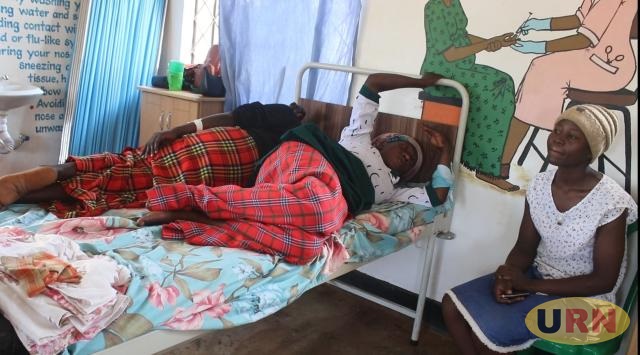 Rising patient numbers strain Bulucheke Health Centre IVThe Independent Uganda
 Health officials race to trace source of Nigeria's Ebola infection - Daily MonitorDaily Monitor
 Uganda Martyrs Hospital Unveiled in Honour of Late Bishop WamikaNile Post
U.S. to Reduce Health Aid to Kenya as Nairobi Takes Over HIV, Malaria Funding - ChimpReportsChimpReports
Mubende hospital restricts number of caregivers to tackle overcrowding - Daily MonitorDaily Monitor
Uganda Martyrs Hospital Unveiled in Honour of Late Bishop WamikaNile Post
U.S. to Reduce Health Aid to Kenya as Nairobi Takes Over HIV, Malaria Funding - ChimpReportsChimpReports
Mubende hospital restricts number of caregivers to tackle overcrowding - Daily MonitorDaily Monitor