Mosquitoes are evolving to survive common backyard sprays - WRAL
What the report says
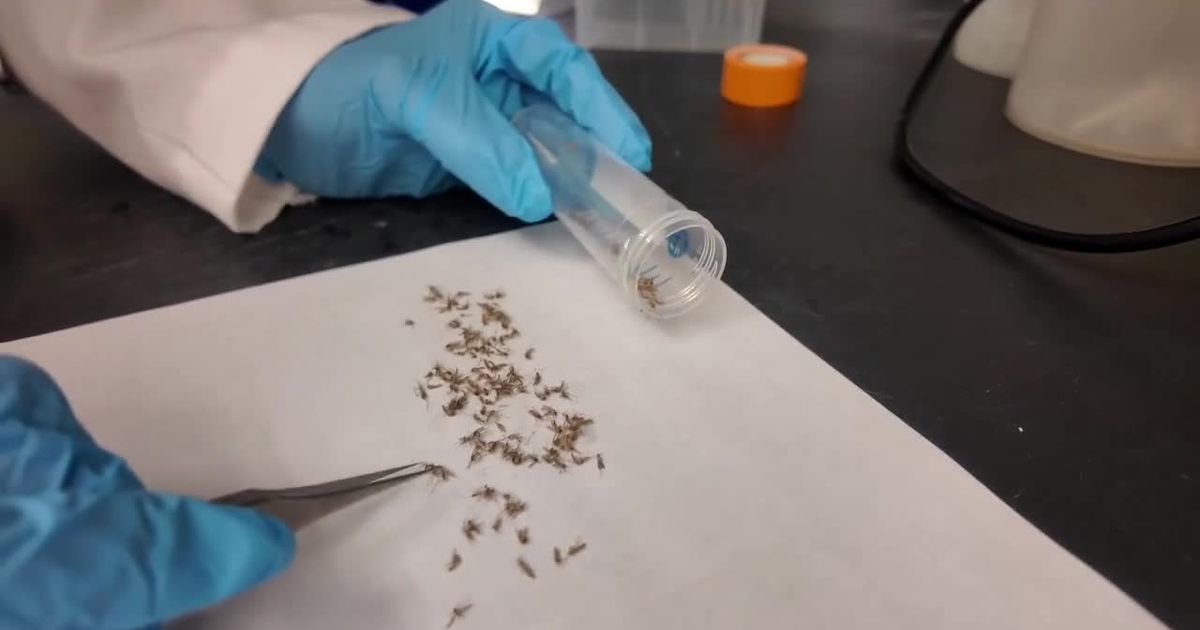
WRAL reports that mosquitoes in Wake County, North Carolina, are increasingly showing genetic signs of resistance to pyrethroids, a widely used class of insecticides in backyard mosquito treatments. The July 28 report, citing two North Carolina State University studies, said researchers found no sampled mosquitoes with the resistance-linked mutation in 2016 and 2017, then detected a small cluster in 2018. By 2023, the mutation appeared in 84% of sampled residential blocks, with 39% of mosquitoes carrying it; preliminary 2025 data suggest a further modest rise.
The research focused on the Asian tiger mosquito, an invasive daytime-biting species that can carry diseases such as dengue, Zika and chikungunya, though WRAL noted those illnesses are not currently spreading through tiger mosquitoes in Wake County. NC State associate professor Martha Burford Reiskind told WRAL the findings are an early warning rather than proof that pyrethroids no longer work. The concern is that stronger resistance could reduce a key tool for quickly lowering mosquito populations during a disease outbreak.
WRAL also examined how pest-control companies are responding. Keith Brown, owner of Mosquito Shield of Wake County, said his company uses pyrethroids but rotates products, applies larvicides and insect growth regulators, checks properties for standing water and adjusts treatment timing based on weather and mosquito activity. He said the company has not seen a rise in treatment failures, while acknowledging repeated residential spraying may contribute to resistance.
Researchers told WRAL the studies do not directly prove individual backyard spraying caused the mutations, but the pattern of resistance in higher-value, older neighborhoods suggests repeated treatments may be creating selection pressure. The issue is emerging alongside broader concern that warming temperatures are helping tiger mosquitoes expand their range and lengthen their active season.
Loading debate for this article…
Other publishers covering this story
No additional verified coverage is currently clustered with this report.
Related reporting
 HTTC Crowns Uganda’s Finest Young Hospitality TalentNile Post
 Blend your way through smoothies to better health - Daily MonitorDaily Monitor
 NMS Pledges to Address Medicine Shortages, Delivery Delays in WakisoNile Post
 U. grad with stage 4 cancer heads to Washington to push for clinical trial access - KSL.comKSL.com
Charcoal Grill serves up healthier dining - Daily MonitorDaily Monitor
U. grad with stage 4 cancer heads to Washington to push for clinical trial access - KSL.comKSL.com
Charcoal Grill serves up healthier dining - Daily MonitorDaily Monitor
 As antibiotic resistance grows, researchers turn to copper to fight infections - Phys.orgPhys.Org