Millions with desk jobs, millions with cervical pain
What the report says
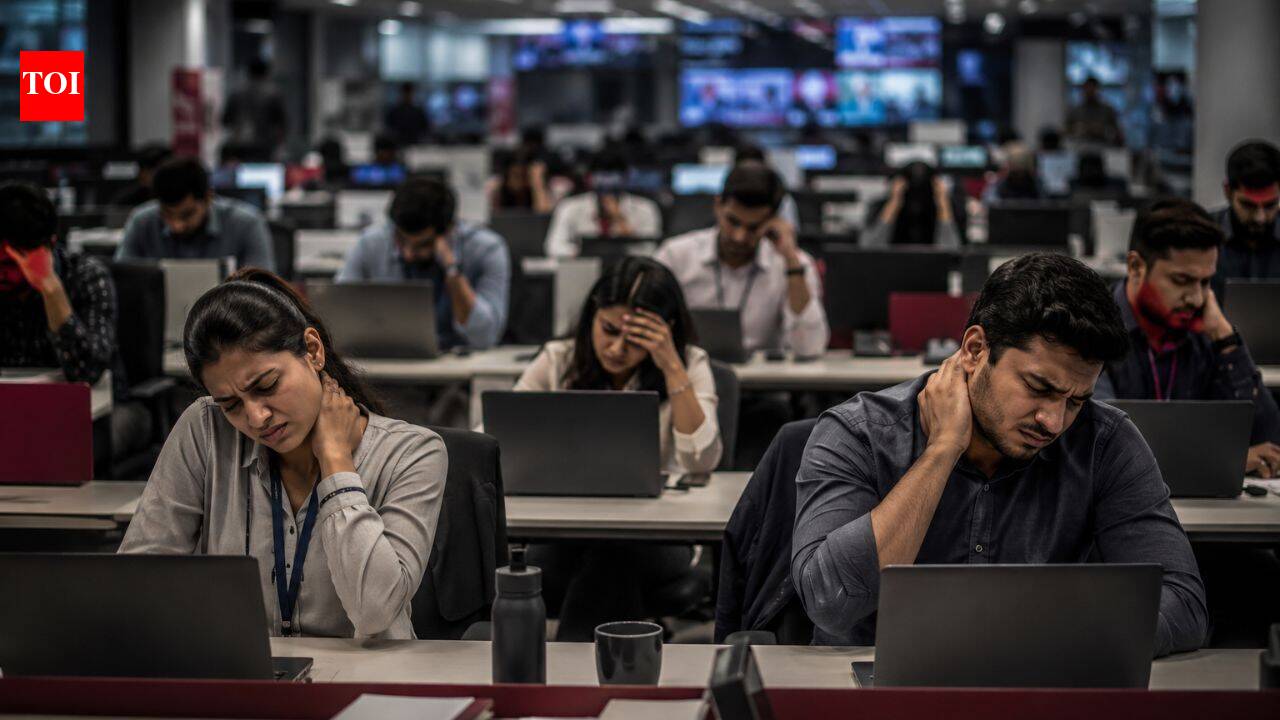
The Times of India reported on July 25, 2026, that neck and cervical spine pain is emerging as a growing health concern among India’s desk-based workforce, especially younger professionals. The report links the trend to long laptop use, video calls, prolonged sitting, poor posture and heavy reliance on smartphones, with doctors saying patients in their 20s and 30s are increasingly seeking care for neck stiffness, headaches, shoulder pain and posture-related problems.
TOI cited a small survey of 30 working professionals in which 26 respondents were aged 24 to 35. Ten said they experienced cervical discomfort monthly, nine weekly and seven almost daily. Twenty-one reported sitting for more than eight hours a day, while many said they took few breaks. Respondents from media, accounting, dentistry and journalism described long workdays, limited time for exercise and a lack of ergonomic office equipment such as laptop stands or external monitors.
Doctors quoted by TOI said the issue is no longer limited to older people or corporate offices. Dr Arun Bhanot of CK Birla Hospital, Gurugram, said younger desk workers now form a steady stream of neck-pain patients, while Dr Surender Pal Singh of CK Birla Hospital in Delhi advised monitor placement at eye level, supportive seating and avoiding heavy one-shoulder laptop bags. The report also noted global context from The Lancet, WHO and Global Burden of Disease studies, which identify neck pain and other musculoskeletal disorders as major contributors to disability, absenteeism and reduced quality of life.
Suggested responses included ergonomic workstations, scheduled movement breaks, better workload planning, flexible schedules and reminders to stretch. The report frames cervical pain as both an individual health issue and a workplace productivity concern.
Loading debate for this article…
Other publishers covering this story
No additional verified coverage is currently clustered with this report.
Related reporting
 Lango Seeks Japanese Investment in Agriculture, Industry and Social ServicesNile Post
 Medicine shortages undermining village health teamsThe Observer
 Depression: Walking Through the Three Corners of Life Toward HealingNile Post
 Ebola: Uganda Reinstates Traveller Locator FormsNile Post
 Uganda remains Ebola-free as Health ministry probes Nigerian traveller infected with virus - Daily MonitorDaily Monitor
 Atwine Warns Border Officers Over Ebola Screening Lapses at MpondweNile Post