
Medications Already in Pharmacies May Slow Aging, And Scientists Are Narrowing Them Down - ScienceAlert

What the report says
ScienceAlert reported on July 26, 2026, that researchers from Northeastern University and Harvard Medical School have developed a screening framework to identify existing medicines that may be worth testing for effects on healthy aging. The work, published in Nature Aging, focuses on drug repurposing: using medications already approved for human use as a faster and potentially less costly starting point than developing new compounds from scratch.
According to the report, the team began with 1,250 genes previously associated with hallmarks of aging, such as declining cellular energy and weakened communication between cells. They mapped those genes onto the human “interactome,” a database of protein interactions, and found that aging-related genes tended to cluster in specific network neighborhoods rather than being randomly distributed. The researchers then compared those clusters with a database of 6,442 existing drugs to identify medicines that might influence aging-linked pathways.
One candidate highlighted by the framework was oxymetazoline, a widely available drug used in nasal sprays for congestion, eye drops for redness and topical rosacea treatments. ScienceAlert said the study linked oxymetazoline to improved cell-to-cell communication, an aging-related process, though the drug had not previously been prominent in longevity research. Aspirin also appeared among promising candidates, consistent with ongoing interest in its potential age-related effects.
The researchers cautioned that the study does not show that any drug lengthens human life or cures aging. Rather, they presented the approach as a way to prioritize which approved medicines should be tested next in cells, animals and eventually people. The significance is that aging involves many biological systems, and a network-based method may help scientists focus on drugs most likely to affect several relevant pathways.
Loading debate for this article…
Other publishers covering this story
No additional verified coverage is currently clustered with this report.
Related reporting
 Mothers forced to share beds, sleep on floor at Bulucheke Health Centre IVThe Independent Uganda
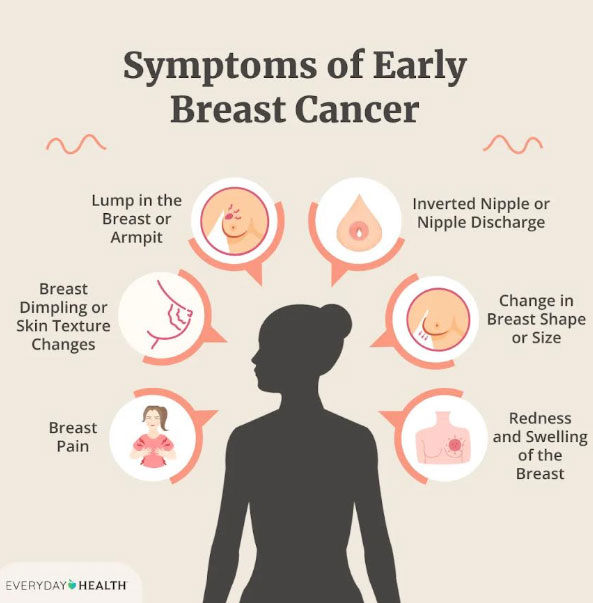 The overlooked realities of breast cancer in UgandaThe Independent Uganda
 Parents Urged to Vaccinate Children Against PolioNile Post
 Kilembe Hospital Targets December Readiness Ahead of 2027 Mining RestartNile Post
 REPORT: 90% of Ugandans can’t wash their hands properlyThe Independent Uganda
 75% of Cancer Patients in Uganda Seek Treatment at Advanced Stages, Experts WarnNile Post