Liberia: Who Owns the Change?

What the report says
Liberia’s Education Minister, Jarso Maley Jallah, used an opinion piece published by the Liberian Observer and carried by AllAfrica to reflect on a Liberia-Canada Education Investment and Partnership Roundtable held in Toronto. The event was organized by the OFFICE-Liberia Trade and Investment Office in Canada and brought together institutions, individuals, and potential partners interested in supporting Liberia’s education sector.
In the article, Jallah says the discussion focused on Liberia’s education priorities, ongoing reforms, and the role that universities, colleges, foundations, businesses, and diaspora members could play in helping the country’s system, which she says serves more than 1.3 million learners. She argues that partnerships should do more than provide funding; they should strengthen Liberia’s ability to define its own problems, manage reforms, and sustain progress after projects end.
The piece frames this as part of a broader debate across Africa about ownership in development partnerships. Jallah references ideas associated with Chimamanda Ngozi Adichie, Dambisa Moyo, and Julius Nyerere to stress that countries should avoid becoming dependent on external actors while still benefiting from cooperation. She says Liberia’s education investment case was presented around the government’s own development agenda, existing commitments, and reform evidence.
More broadly, the article highlights a familiar challenge in international development: how to attract outside support without weakening domestic institutions. In Liberia’s case, the minister links education reform to wider national goals in agriculture, infrastructure, energy, health, and economic transformation.
Loading debate for this article…
Other publishers covering this story
No additional verified coverage is currently clustered with this report.
Related reporting
 Liberia: Arcelormittal's Nearly $4 Billion Investment - What It Means for Jobs, Businesses and Ordinary LiberiansAllAfrica
 Alaska Senate candidates trade accusations ahead of electionAl Jazeera
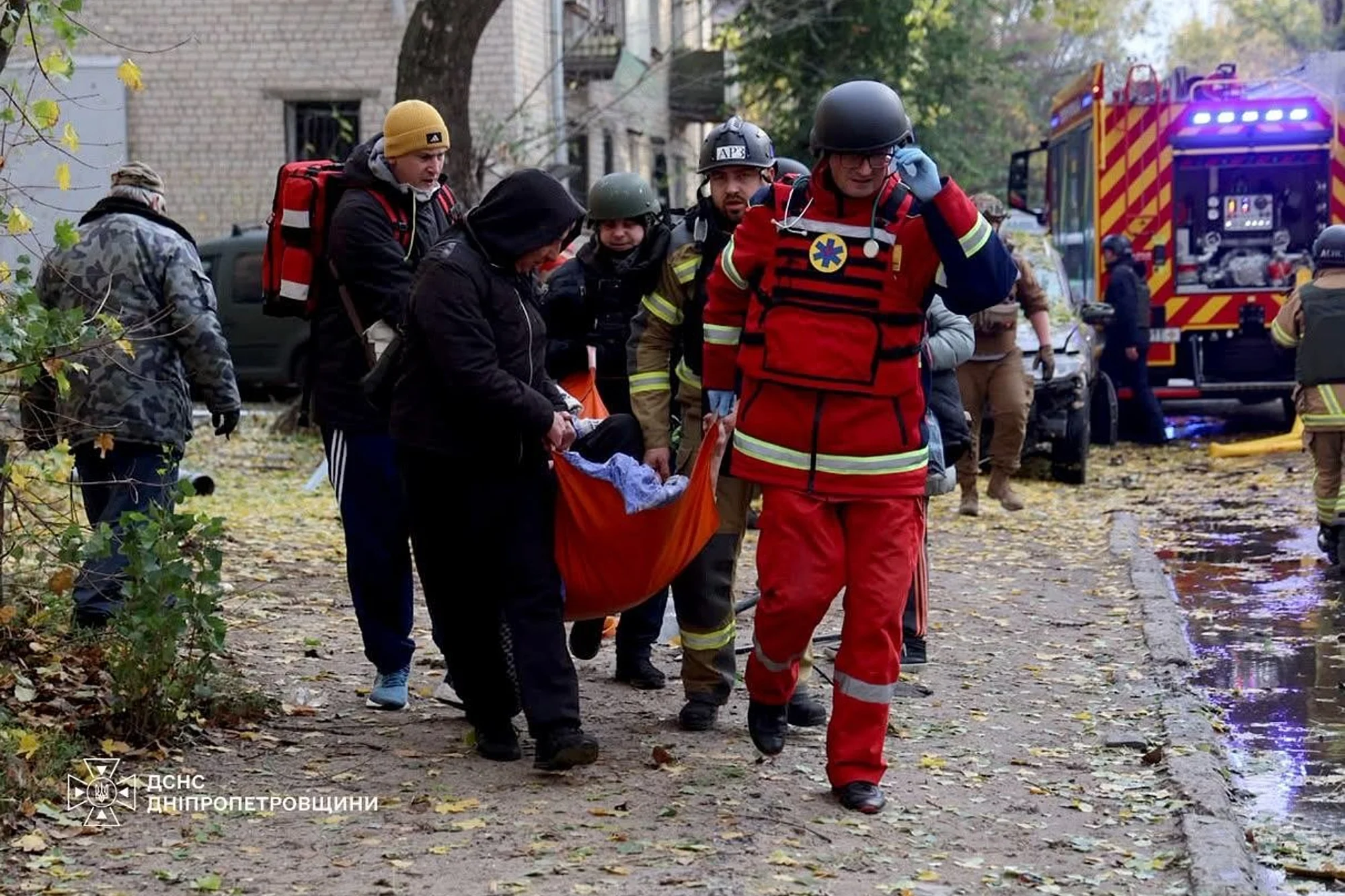 Death toll hits 29 after Russian strike on Ukrainian aid site, with 48 still missingNPR World
 Who decides the US midterms?Al Jazeera
Somalia: Somali Army Chief Visits Barawe to Assess Security and Troop ReadinessAllAfrica
Nigeria: Aaua Bans Signing-Out Ceremonies Over Security ConcernsAllAfrica