Kabale Rolls Out Distribution of 170,000 Mosquito Nets in Renewed Malaria Prevention Drive
What the report says
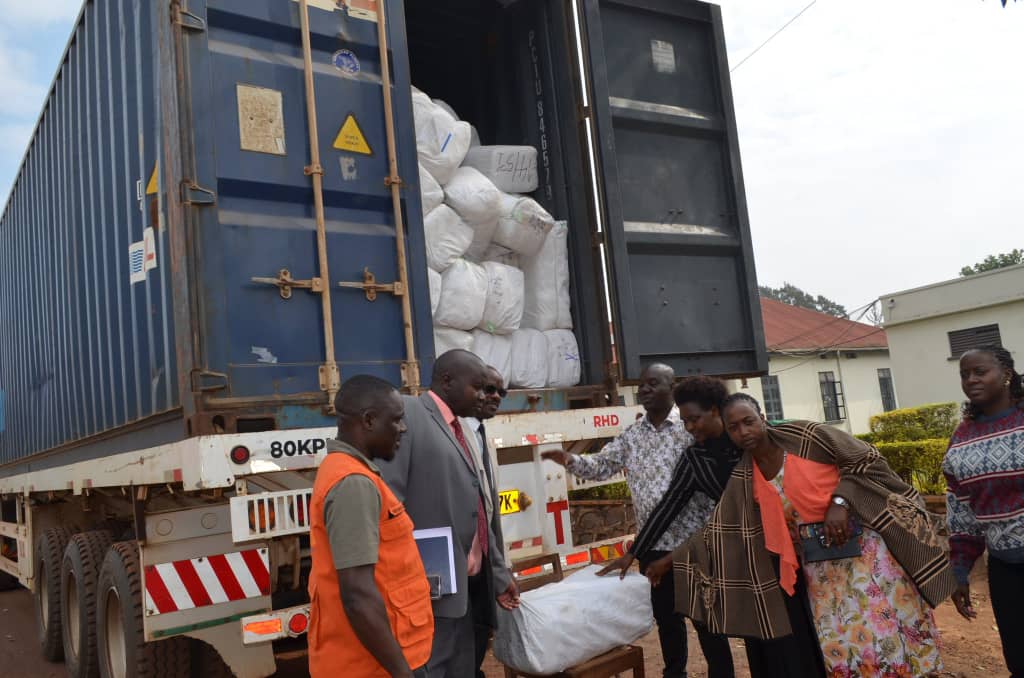
Nile Post reports that Kabale District has started receiving and preparing to distribute 170,000 long-lasting insecticide-treated mosquito nets across its 79 parishes, covering Kabale Municipality and the wider district. The exercise is part of a Ministry of Health campaign to distribute 25.8 million treated nets across Uganda’s 130 districts as part of malaria prevention and elimination efforts.
According to the report, the National Medical Stores delivered 3,404 bales of MedNet mosquito nets to Kabale District headquarters ahead of household distribution planned for August. Raymond Kawalya, who led the NMS delivery team, said the nets will be kept by parish chiefs until distribution begins, with LC I or LC II chairpersons and Village Health Team members expected to witness handovers to support accountability and record-keeping.
Rukia Nakamatte, a communications specialist at the National Malaria Elimination Division, said the national rollout is being implemented in five phases, with Kabale among 38 districts in Phase Four. Nile Post reported her as saying about 6.8 million nets are expected to be distributed in this phase, covering areas including Kigezi, Buganda and Karamoja, while Kampala and Wakiso are expected to receive allocations later as the national exercise concludes in September.
Local officials urged residents to sleep under the nets and warned against misuse, diversion or sale. Kabale District Health Educator Alfred Besigensi said improper use would weaken government malaria-control efforts, while Deputy Resident District Commissioner Michael Muramira Kyakashari cautioned against selling nets to traders, including those who may move them illegally across borders. The campaign matters because treated nets remain a key malaria-prevention tool, especially for vulnerable households.
Loading debate for this article…
Other publishers covering this story
No additional verified coverage is currently clustered with this report.
Related reporting
 Kabale District Loses Shs3bn to Ghost Workers, Balaam SaysNile Post
 GBoy Builds a Music Career on Bakiga PrideNile Post
 Kabale Parents Arrested Over Alleged Baby Sacrifice - ChimpReportsChimpReports
Farmers dig trenches to contain peat fire in Kabale wetland - Daily MonitorDaily Monitor
Centenary Bank, Kabale Diocese and Good Forests Foundation to plant 12,000 trees in Kanungu - PML DailyPML Daily
Kabale Parents Arrested Over Alleged Baby Sacrifice - ChimpReportsChimpReports
Farmers dig trenches to contain peat fire in Kabale wetland - Daily MonitorDaily Monitor
Centenary Bank, Kabale Diocese and Good Forests Foundation to plant 12,000 trees in Kanungu - PML DailyPML Daily
 Police Investigate Murder of Nine-Month-Old Baby in KabaleNile Post