
Justice Dept. drops 'New York Times' subpoenas under pressure from judge - NPR
What the report says
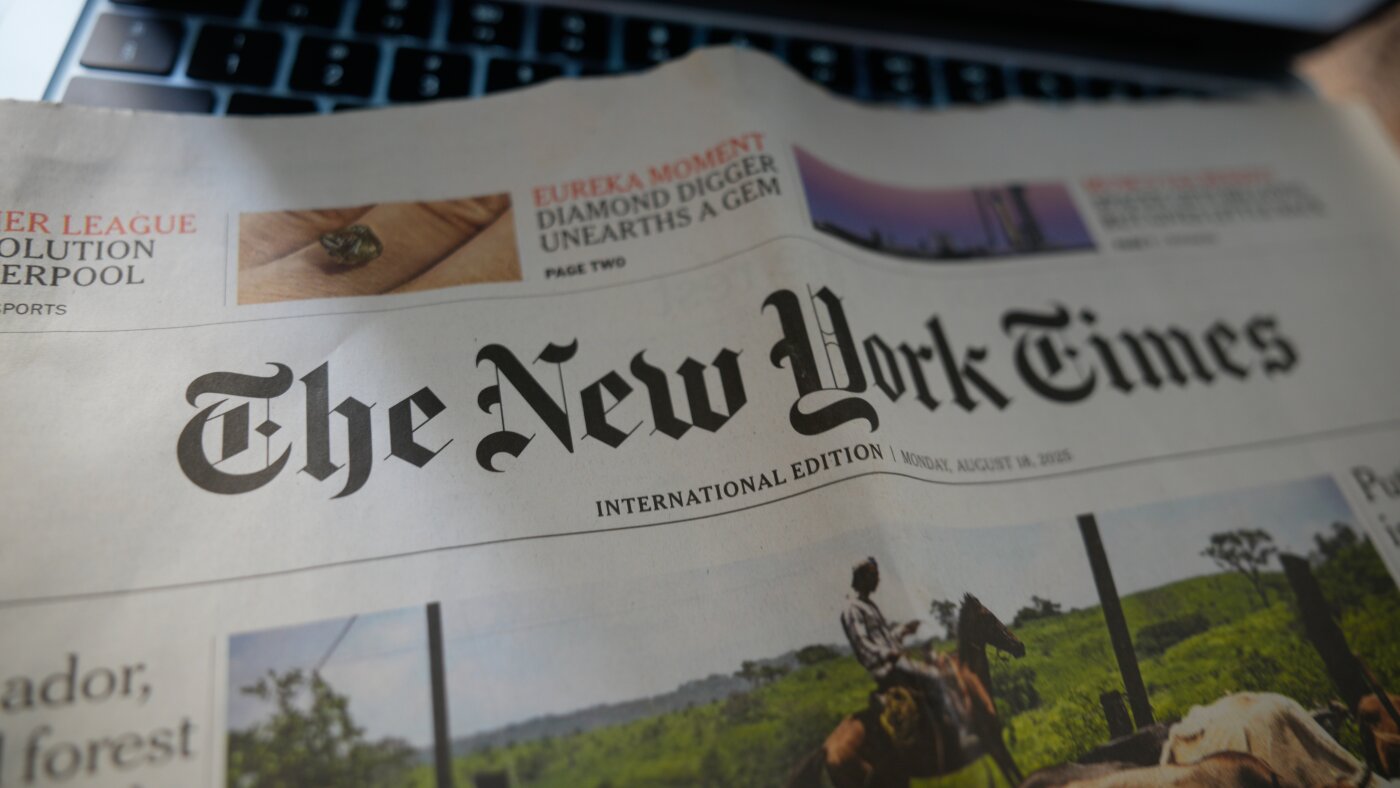
NPR reports that the U.S. Justice Department has withdrawn subpoenas seeking grand jury testimony and telephone records from journalists at The New York Times. According to NPR, the reversal came after a federal judge pressed government lawyers during questioning on Thursday. The subpoenas had demanded information from Times reporters in connection with a grand jury matter, but the publicly supplied text does not identify the journalists, the judge, the court, or the precise scope of the investigation.
The development matters because subpoenas targeting reporters can raise significant First Amendment and press-freedom concerns, particularly when they seek testimony or communications records that could reveal newsgathering activities or confidential sources. NPR’s headline and URL indicate the dispute was linked to Times reporting involving Trump, Air Force One, a plane, Qatar and security, but the available source material does not provide enough detail to describe that connection with precision.
Based on NPR’s account, the key decision is the Justice Department’s retreat from the subpoenas after judicial scrutiny, rather than a final ruling on their legality. More broadly, federal efforts to obtain journalists’ records have historically drawn objections from news organizations and civil liberties advocates, while prosecutors sometimes argue such material is relevant to criminal inquiries. With the article text unavailable, further details — including any explanation offered by the Justice Department or The New York Times’ response — remain unconfirmed from the supplied evidence.
Loading debate for this article…
Other publishers covering this story
No additional verified coverage is currently clustered with this report.
Related reporting
 New Ebola vaccine trial launched in DR CongoAnadolu Agency Africa
 Kenya records second Ebola death, a 65-year-old womanAnadolu Agency Africa
 Argentinian judge drops fraud investigation into Milei over crypto scandalAl Jazeera
 Syrians protest Israel’s incursions near occupied Golan HeightsAl Jazeera
 WHO announces start of Ebola vaccine clinical trial in DR CongoAl Jazeera
 At least 9 killed in clashes in Ethopia, driving more than 2,000 to flee to KenyaAnadolu Agency Africa