"It feeds on your blood for a week before you even notice – and then leaves behind a rare and life-threatening disease… - BBC Wildlife Magazine
What the report says
Discoverwildlife.com, in a BBC Wildlife Magazine article, reported that researchers at Stony Brook Medicine have confirmed what they describe as the first known Bourbon virus case in New York State. The finding, published in the American Journal of Tropical Medicine and Hygiene, came from a review of 107 people with symptoms consistent with tick-borne illness between 2019 and 2024, with blood testing conducted through the New York State Department of Health.
According to the report, two people had neutralising antibodies to Bourbon virus, and one patient showed a sharp antibody increase over a month, which researchers said indicated a definite, recent or severe infection. Lead author Luis Marcos, director of Stony Brook University’s Tick-Borne Diseases Clinic, said that patient had serious symptoms and required hospital care. The illness was initially mistaken for Lyme disease and treated with doxycycline, but the treatment did not work.
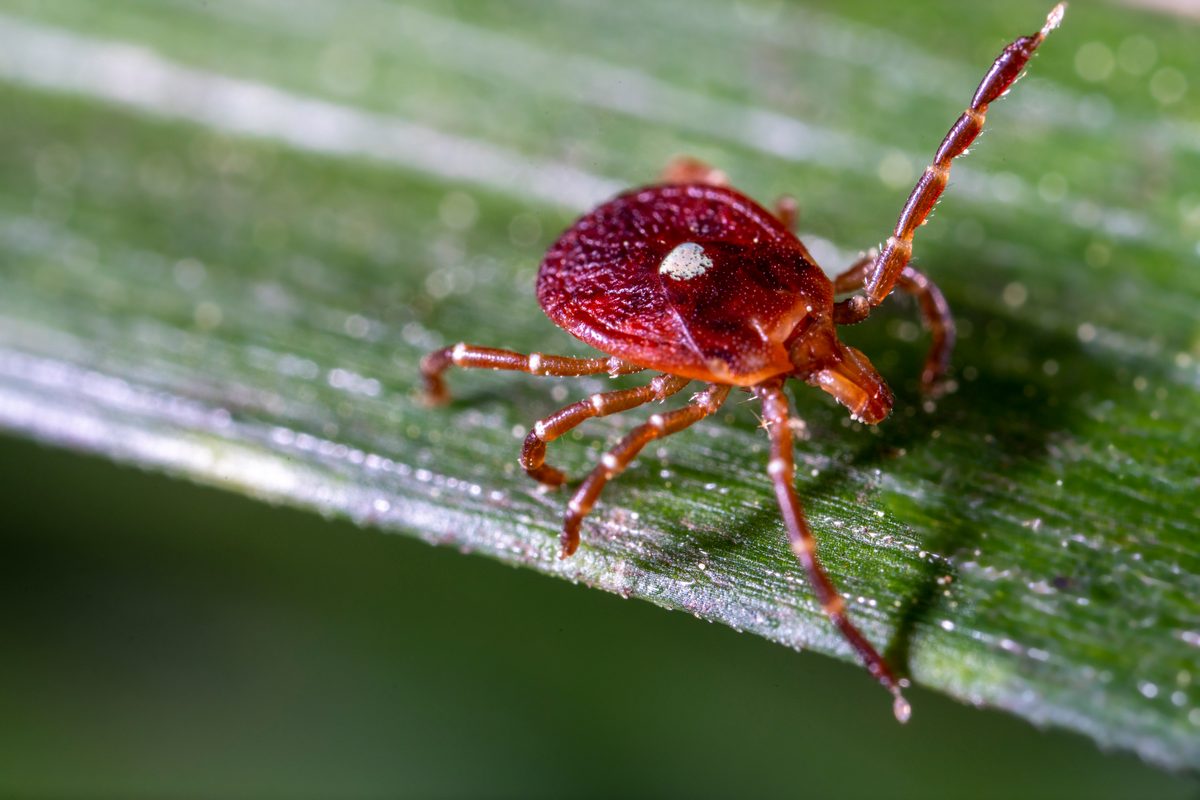
Bourbon virus is associated with the lone star tick, Amblyomma americanum, which can bite without pain and remain attached for several days. The article noted that symptoms can resemble other tick-borne infections, including fever, fatigue, rash, headache, body aches and nausea. That overlap makes diagnosis difficult, especially because there is no commercial diagnostic test, vaccine or specific treatment for Bourbon virus.
The report places the case in a broader U.S. tick-bite context, citing CDC data showing elevated emergency-room visits for tick bites this year compared with recent seasons. The virus was first identified in Kansas in 2014 and has since been reported only rarely, but researchers warned that cases may be missed in regions where lone star ticks are common.
Loading debate for this article…
Other publishers covering this story
No additional verified coverage is currently clustered with this report.
Related reporting
 REPORT: 90% of Ugandans can’t wash their hands properlyThe Independent Uganda
 75% of Cancer Patients in Uganda Seek Treatment at Advanced Stages, Experts WarnNile Post
 Benard Feni Joins Malaria Free Uganda Board as Push for Domestic Funding GrowsNile Post
 Victoria University hosts first inter-university mental health symposium - PML DailyPML Daily
 Lango Seeks Japanese Investment in Agriculture, Industry and Social ServicesNile Post
 Medicine shortages undermining village health teamsThe Observer