Israel’s Election Is Unlikely to Change Its Policies and Global Isolation

What the report says
The New York Times World reports that Israel’s latest election is expected to do little to alter the country’s core policy direction or its strained standing abroad. The article frames the contest around Prime Minister Benjamin Netanyahu and Gadi Eisenkot, noting that the leading candidates are not sharply divided on major security questions or on opposition to a Palestinian state.
According to the report, that overlap helps explain why the vote is unlikely to produce a major shift in Israel’s approach to the conflict or to broader regional security policy. Even if the leadership changes, the main positions shaping Israel’s response to Gaza, its military posture, and its diplomatic stance appear largely intact.
The piece places the election in the context of Israel’s international isolation, suggesting that foreign criticism and growing pressure are not likely to ease simply because of the result. More generally, the reporting indicates that Israeli politics remain tightly constrained by security concerns and by the long-running dispute over Palestinian statehood.
In that sense, the election matters less as a referendum on a new agenda than as a test of whether voters will endorse one of two leaders who share many of the same baseline assumptions about the country’s security needs.
Loading debate for this article…
Other publishers covering this story
No additional verified coverage is currently clustered with this report.
Related reporting
 Liberia: NPHIL Says No Ebola in LiberiaAllAfrica
 Liberia: House Bill Could Make Those Who Break Engagements Repay Wedding CostsAllAfrica
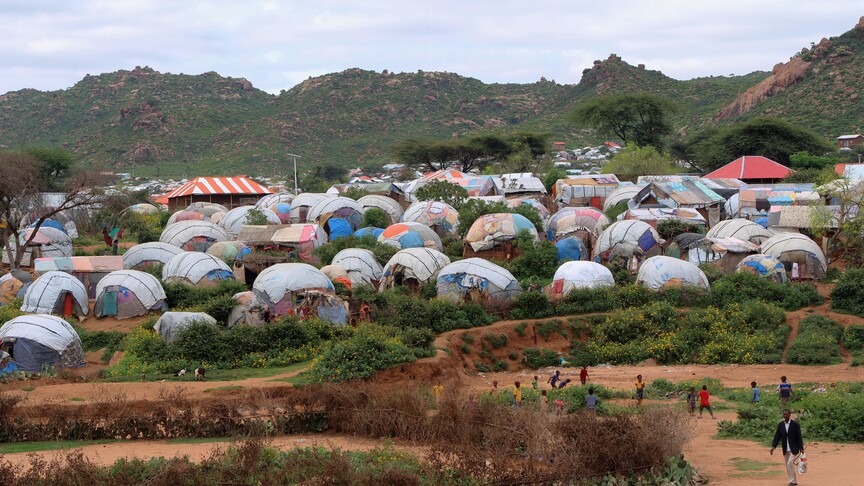 At least 16 civilians killed in drone attack on displacement camp in EthiopiaAnadolu Agency Africa
Liberia: Pres. Boakai Requests One-Week Delay for 2027 Budget SubmissionAllAfrica
Liberia: China Rejects 'Weaponization' of Critical Minerals As It Courts Liberia's Mining SectorAllAfrica
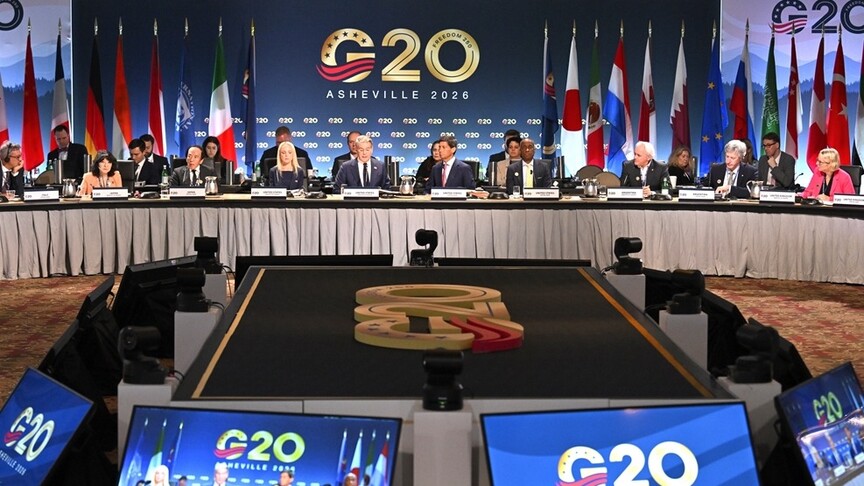 China backs South Africa to attend G20 meetings as US set to host top diplomatsAnadolu Agency Africa