In a heartbeat: Put your sleep concerns to rest - TribLIVE.com

What the report says
TribLIVE published a health-focused Q&A on sleep featuring Dr. Matthew Lehrer, an assistant professor of psychiatry at the University of Pittsburgh and a member of national sleep science organizations. The article frames sleep as a widespread public health concern, citing Centers for Disease Control and Prevention figures that about one-third of U.S. adults report inadequate daily sleep, nearly half report unintentionally dozing during the day at least monthly, and 50 million to 70 million Americans live with some type of sleep disorder.
Lehrer told TribLIVE that most healthy adults generally need seven to nine hours of sleep each night, though individual needs vary. He emphasized that daytime functioning can be a better indicator than hours alone: if someone sleeps eight hours but still feels exhausted, factors such as medical issues, stress, medication, mental health, shift work, pregnancy or habits may be disrupting sleep quality. He also noted that teenagers need more sleep and tend toward later internal schedules, while older adults often experience lighter, more fragmented sleep rather than a major drop in sleep need.
The guidance centered on consistency: maintaining similar bedtimes and wake times, getting outdoor light soon after waking, exercising regularly, keeping the bedroom cool, dark and quiet, and avoiding prolonged wakefulness in bed. Lehrer identified late caffeine, alcohol near bedtime, nicotine, heavy meals, irregular schedules and bright screens as common disruptors.
The report also addressed sleep trackers and melatonin. Lehrer said consumer devices can help identify broad patterns but are less reliable for sleep stages because they do not directly measure brain activity. He described melatonin as a timing aid rather than a sedative, useful in situations such as jet lag or shifted schedules, and advised using the lowest effective dose and consulting a clinician for repeated use.
Loading debate for this article…
Other publishers covering this story
No additional verified coverage is currently clustered with this report.
Related reporting
 Abolish the mandatory National Cleaning Day hypocrisyThe Independent Uganda
 Uganda Now Exports Ebola Expertise to DRC, Says AyumeNile Post
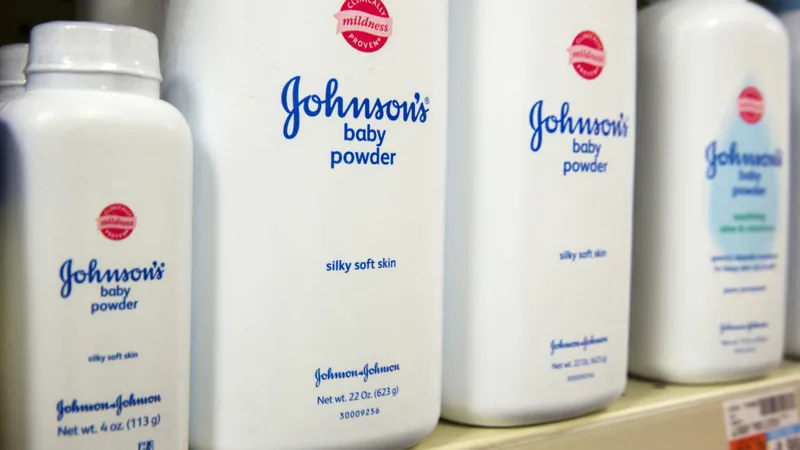 Johnson & Johnson offers up to $5.5bn to settle baby powder lawsuitsNile Post
 Uganda Officially Declared Ebola-FreeDokolo Post
DR. JEAN KASEYA: Hepatitis is the test of Africa’s health sovereignty - PML DailyPML Daily
Uganda Officially Declared Ebola-FreeDokolo Post
DR. JEAN KASEYA: Hepatitis is the test of Africa’s health sovereignty - PML DailyPML Daily
 Uganda Officially Declared Ebola-Free as 2026 Outbreak EndsSoftPower News