
I’m an Infectious Disease Doctor. I Worry About These 6 Foodborne Illnesses More Than Cyclospora - TODAY.com

What the report says
TODAY reports that recent U.S. outbreaks of cyclosporiasis, an intestinal illness caused by the parasite cyclospora, have drawn attention to parasites in food. But the article says an infectious disease doctor is more concerned about several other foodborne threats because they are more common or can lead to more severe outcomes. The report cites the estimate that about 48 million Americans develop foodborne illness each year.
The six highlighted risks are Vibrio vulnificus, Listeria monocytogenes, botulism, Shiga toxin-producing E. coli, salmonella and toxoplasmosis. Vibrio is associated with warm coastal water and raw or undercooked shellfish, especially oysters; TODAY, citing CDC information, notes that severe infections can be rapidly fatal, particularly for people with liver disease. Listeria can grow in refrigerated foods and is especially dangerous for pregnant people, older adults and immunocompromised people, with risks including bloodstream or brain infection and pregnancy loss.
The article also warns about botulism, a rare but potentially deadly toxin-related illness linked to improperly canned or preserved foods and honey exposure in infants. Shiga toxin-producing E. coli can follow contaminated leafy greens, ground beef or animal exposure, and may cause bloody diarrhea and, in some cases, kidney-related complications. Salmonella is described as a major U.S. foodborne killer, spreading through many foods and sometimes causing invasive typhoid illness.
TODAY’s prevention guidance centers on basic food safety: cook seafood, meat and other foods to safe internal temperatures; avoid high-risk unpasteurized dairy products when vulnerable; follow proper home-canning practices; do not give honey to infants; and seek medical care promptly for severe symptoms or high-risk exposures.
Loading debate for this article…
Other publishers covering this story
No additional verified coverage is currently clustered with this report.
Related reporting
 Mothers forced to share beds, sleep on floor at Bulucheke Health Centre IVThe Independent Uganda
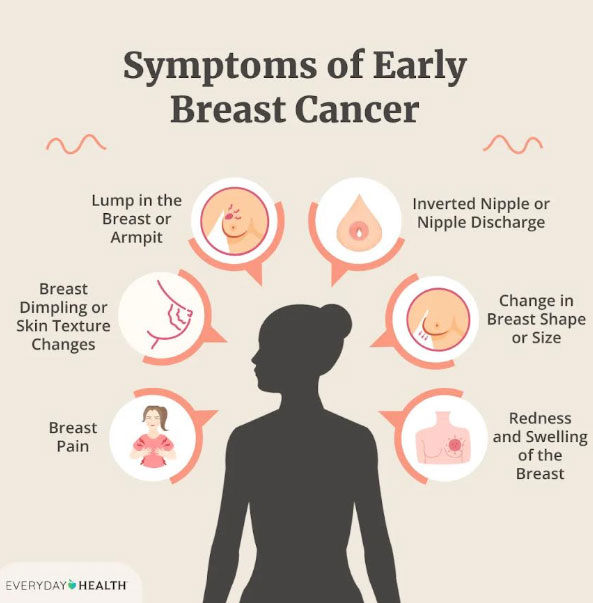 The overlooked realities of breast cancer in UgandaThe Independent Uganda
 Parents Urged to Vaccinate Children Against PolioNile Post
 Kilembe Hospital Targets December Readiness Ahead of 2027 Mining RestartNile Post
 REPORT: 90% of Ugandans can’t wash their hands properlyThe Independent Uganda
 75% of Cancer Patients in Uganda Seek Treatment at Advanced Stages, Experts WarnNile Post