
Human-Caused Warming Played ‘Very Strong’ Role in Himalayan Floods, Report Finds

What the report says
Scientists cited in a new report concluded that human-caused warming played a very strong role in recent floods in the Himalayan region by weakening the frozen ground and ice that helped hold a collapsed mass of rock in place. According to the New York Times World headline and source snippet, rising temperatures contributed to the disaster by destabilizing permafrost and ice around the failure area.
The finding links the flooding to broader climate change effects in high mountain environments, where warming can accelerate thawing, reduce natural stability, and increase the risk of sudden slope failures and downstream flooding. The report appears to focus on the Nepal-Tibet area, though the available source text does not provide more detail on the exact location, scale of damage, or the organizations behind the analysis.
The result matters because it adds to evidence that mountain hazards can intensify as temperatures rise, affecting communities, infrastructure, and water systems far beyond the immediate collapse zone. In general, researchers have warned that the Himalayas are especially vulnerable to warming because glaciers and permafrost are changing quickly, increasing the likelihood of cascading disasters. That broader context is consistent with the published snippet, but the specific report details beyond the role of warming are not available in the supplied text.
Loading debate for this article…
Other publishers covering this story
No additional verified coverage is currently clustered with this report.
Related reporting
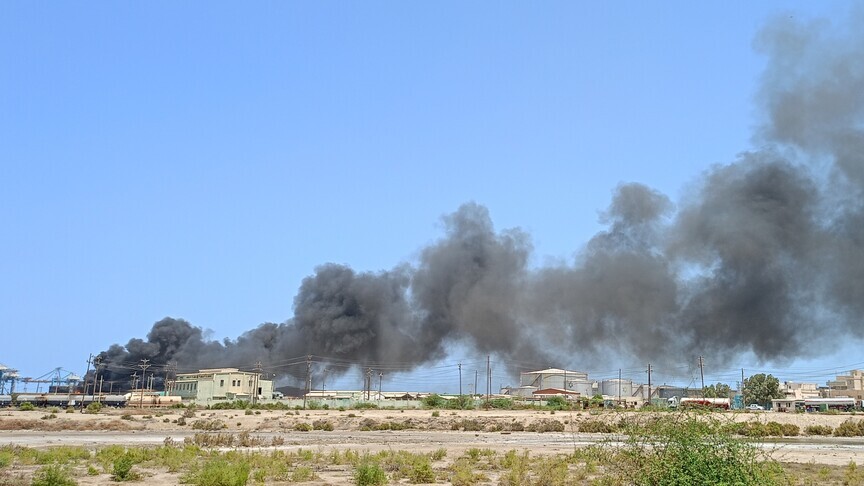 Drone attacks hit 2 power stations in eastern Sudan, trigger widespread outageAnadolu Agency Africa
 Hormuz shipping still faces major risksAl Jazeera
 UN's peacekeeping mission in disputed Western Sahara ends after 35 yearsNPR World
 The future of the Palestinian vote in IsraelAl Jazeera
 Kenya: Sifuna Announces Two-Week U.S. Tour to Engage Kenyans in DiasporaAllAfrica
Nigeria: Falae Dismisses Afenifere Split Rumours, Says No Succession Talks Before Fasoranti's BurialAllAfrica