Huge study finds first genetic clues for borderline personality disorder - Nature
What the report says
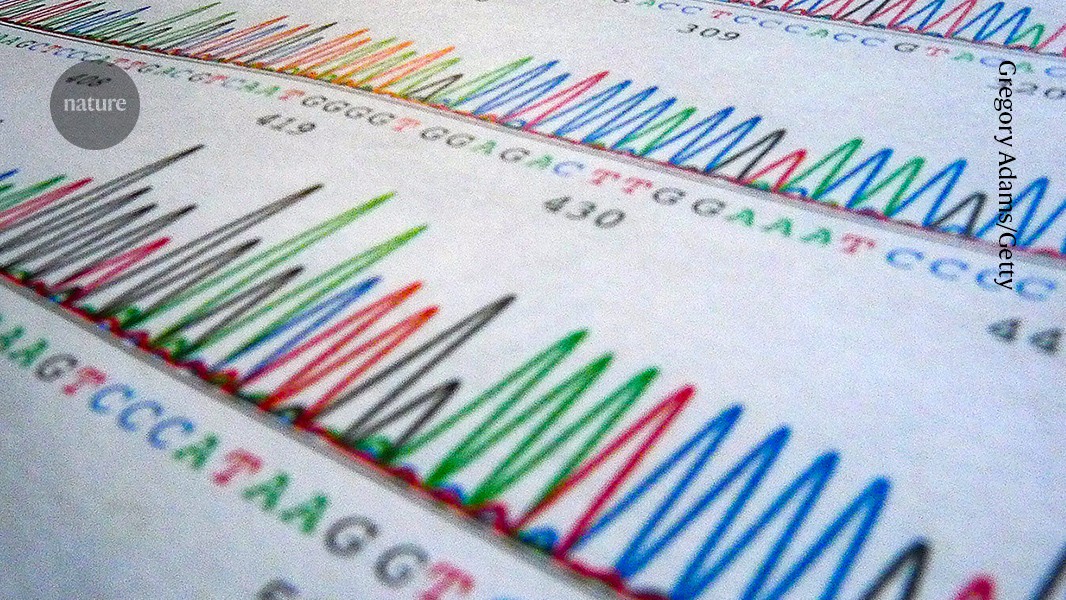
Nature reported that researchers have found the first genome-wide evidence of genetic risk factors linked to borderline personality disorder, or BPD. The study, published in Nature Genetics on 20 July, is described as the largest genetic analysis of BPD to date and identified 11 regions of the human genome associated with the condition, with nine functional genes located in or near those regions.
According to Nature, the team led in part by Fabian Streit of the Central Institute of Mental Health in Mannheim, Germany, combined data from 27 studies and biobank sources. The first stage compared more than six million genetic markers in 12,339 people with BPD and more than one million people without the diagnosis, all of European ancestry. Six genomic sites were confirmed in a replication analysis involving 685 people with BPD and 107,750 controls; five additional regions emerged when the analyses were combined, though an outside expert noted those still require independent confirmation.
BPD is diagnosed through persistent patterns that can include emotional instability, distorted thinking or perception, and unstable relationships. Nature noted that the condition affects up to 2% of people in Western countries and is diagnosed more often in women than men. Researchers have long suspected that both inherited and environmental factors contribute, but BPD has received relatively little attention in psychiatric genetics compared with conditions such as schizophrenia, depression and bipolar disorder.
The study estimated that the newly detected variants explain about 17% of inherited risk, below earlier family and twin-study estimates of overall heritability. The findings therefore do not offer a full explanation of BPD, but they provide a starting point for larger genetic and biological studies of a condition that experts say has been difficult to investigate at scale.
Loading debate for this article…
Other publishers covering this story
No additional verified coverage is currently clustered with this report.
Related reporting
 Medicine shortages undermining village health teamsThe Observer
 Depression: Walking Through the Three Corners of Life Toward HealingNile Post
 Ebola: Uganda Reinstates Traveller Locator FormsNile Post
 Uganda remains Ebola-free as Health ministry probes Nigerian traveller infected with virus - Daily MonitorDaily Monitor
 Atwine Warns Border Officers Over Ebola Screening Lapses at MpondweNile Post
 Rising patient numbers strain Bulucheke Health Centre IVThe Independent Uganda