
How Many Electrolytes Should You Be Taking, and Can You Have Too Many? - WIRED

What the report says
Wired reports that electrolyte powders, tablets and ready-to-drink hydration products have moved beyond endurance sports into a fast-growing wellness category, with brands marketing them for everyday energy, recovery, focus and skin benefits. The article says the global market is estimated at $39 billion in 2025 and is expected to roughly double within 10 years, boosted by influencer-linked brands and social media promotion.
Electrolytes are minerals such as sodium, potassium, calcium, magnesium and chloride that help regulate fluid balance and support nerve and muscle function. Wired’s central guidance is that most healthy adults who eat a varied diet and drink water according to thirst usually do not need routine electrolyte supplements. Everyday foods including fruits, vegetables, whole grains, nuts, seeds and protein sources generally replenish these minerals.
The report identifies a few circumstances where electrolyte products can be useful: prolonged, sweaty exercise, especially in heat or humidity; illnesses that cause major fluid loss; and long fasting periods when food-based minerals are absent. Wired notes that oral rehydration salts have a medical role in treating dehydration, while citing sports medicine guidance that plain water is typically adequate for exercise sessions under an hour.
The article also cautions that more is not always better. Occasional use is unlikely to harm healthy adults, but frequent consumption may add unnecessary sodium or sugar. Wired points to World Health Organization concerns that average sodium intake globally already exceeds recommended levels, which matters for people managing blood pressure or cardiovascular risk. The practical takeaway: electrolytes are essential to the body, but commercial electrolyte drinks are often unnecessary unless fluid and mineral losses are significant.
Loading debate for this article…
Other publishers covering this story
No additional verified coverage is currently clustered with this report.
Related reporting
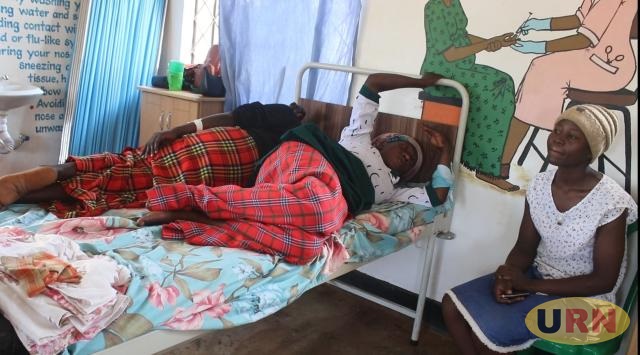 Mothers forced to share beds, sleep on floor at Bulucheke Health Centre IVThe Independent Uganda
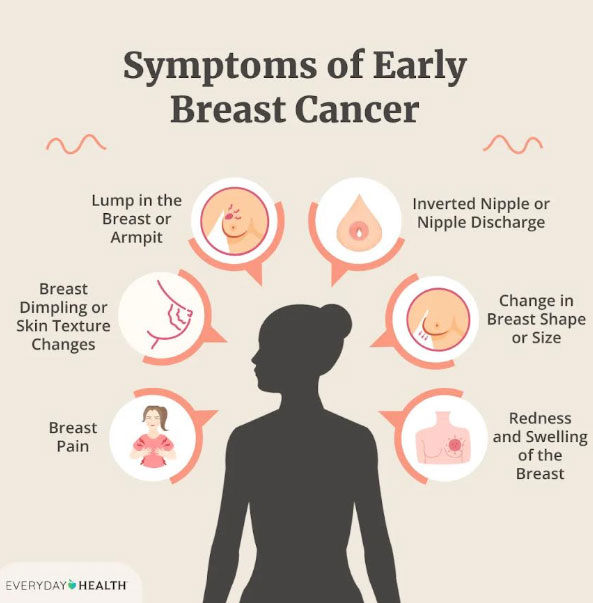 The overlooked realities of breast cancer in UgandaThe Independent Uganda
 Parents Urged to Vaccinate Children Against PolioNile Post
 Kilembe Hospital Targets December Readiness Ahead of 2027 Mining RestartNile Post
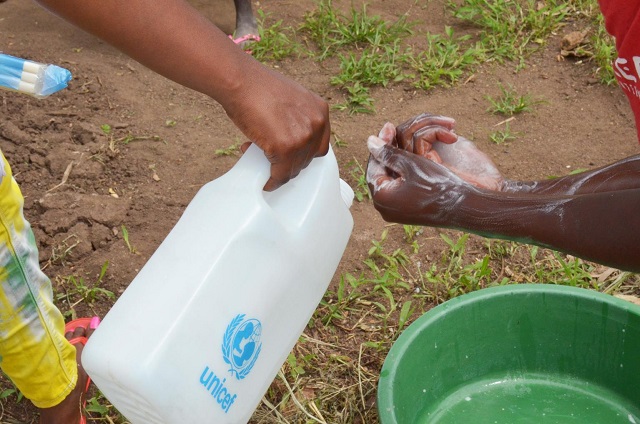 REPORT: 90% of Ugandans can’t wash their hands properlyThe Independent Uganda
 75% of Cancer Patients in Uganda Seek Treatment at Advanced Stages, Experts WarnNile Post