How EAC Central Banks are responding to geopolitical tensions
What the report says
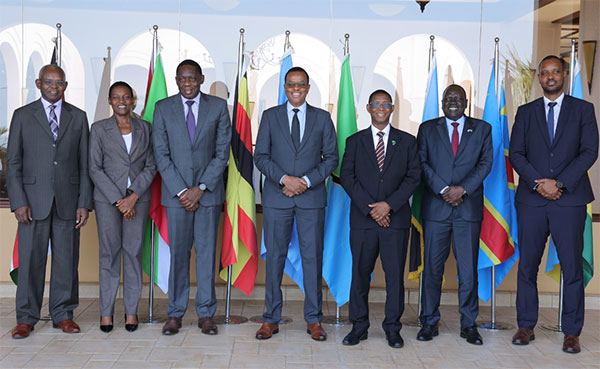
The Independent Uganda, citing URN, reported that geopolitical tensions were a central concern at the 29th Ordinary Meeting of the East African Community Monetary Affairs Committee, held in Kampala and concluded in Uganda. Central bank leaders from seven EAC partner states, excluding the Democratic Republic of Congo, warned that conflicts in the Middle East and Eastern Europe are feeding inflation, weakening currencies and clouding growth prospects across the region.
Bank of Uganda Governor Michael Atingi-Ego urged cautious monetary policy as current account deficits widen, saying external pressures have affected foreign exchange reserves. The report said EAC economies have faced weaker current account positions since conflict intensified in the Middle East, a region that has become an important market for exports, labour and remittance flows. Atingi-Ego called for early-warning systems and stronger financial buffers, including domestic gold purchases.
EAC Deputy Secretary General Annette Ssemuwemba Mutaawe said the bloc needed firm interventions to preserve resilience. She noted regional growth estimated at 5.6% in 2026 and trade growth of more than 30%, but warned that intra-EAC trade has stagnated for 13 years because of persistent barriers, leaving the region more exposed to global shocks.
The report also cited Kenya’s central bank governor Kamau Thugge, who forecast pressure on exports and remittances, and said Kenya’s inflation rose above 6% in June after staying within the EAC target of below 5%. Tanzania and Uganda were reported to be using domestic gold purchases to support reserves, while Rwanda’s central bank economist Thierry Kalisa said climate risks and geopolitical shocks are making monetary policy harder to manage.
Loading debate for this article…
Other publishers covering this story
No additional verified coverage is currently clustered with this report.
Related reporting
 Kampala Creme Returns for Sesaon 4 With Three New FacesWatchdog Uganda
 BLOG: Kampala on a Rainy Day: The City Carefully Tastes your Patience and your Pockets - ChimpReportsChimpReports
 Reach A Hand Africa premieres ‘Balance the Boat’ docufilmThe Independent Uganda
 Power Blackouts: Is UEDCL seated on a good cache of resources?The Independent Uganda
 Bill to change election of opposition leader gazettedThe Independent Uganda
 Enjuba Spelling Bee Final Set for Saturday as 353 Pupils CompeteNile Post