
How a Bank Implosion in Paraguay Ensnared a President

What the report says
Prosecutors in Paraguay have accused President Santiago Peña of helping direct nearly a billion dollars in public money to Ueno Bank, at a time when the institution’s executives were allegedly making risky insider loans. The allegation, reported by the New York Times, ties a bank failure to the country’s highest office and raises questions about the handling of state funds and regulatory oversight.
According to the source snippet, the money moved through government channels into Ueno while prosecutors say bank leaders were engaged in lending practices that put the institution on unstable footing. The case appears to center on whether public deposits or transfers were used in a way that supported the bank as its problems grew. The report does not provide the full legal response from Peña or the bank, and the allegations remain subject to the investigative and judicial process.
The development matters because it links a private financial collapse to allegations involving a sitting president, which can intensify scrutiny of both banking supervision and public finance in Paraguay. In general, bank failures tied to political figures can have wider effects on confidence in the financial system and on public trust in government, especially when large sums of state money are involved.
Loading debate for this article…
Other publishers covering this story
No additional verified coverage is currently clustered with this report.
Related reporting
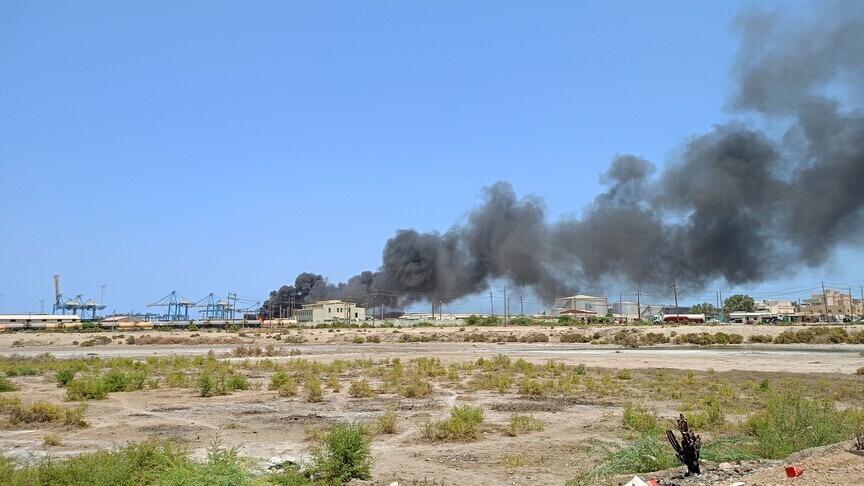 9 civilians killed in RSF drone attack in Sudan's Blue Nile state: OfficialAnadolu Agency Africa
 Three workers die at Tata’s iPhone parts plant in India’s Tamil NaduAl Jazeera
 Police officer dies and another injured after backpack explosion in OviedoBBC World News
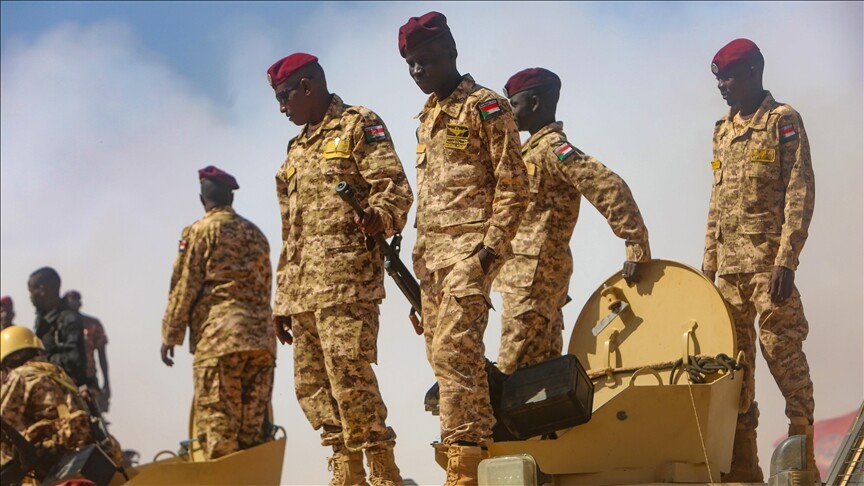 Senior RSF commander defects to Sudanese army after 13 years with paramilitary groupAnadolu Agency Africa
 Are your supplements fake?Al Jazeera
 Nigeria: 2027 Politics Watch - From INEC's 1.6m Voter-Register Clean-Up to Wike's ₦10m PledgeAllAfrica